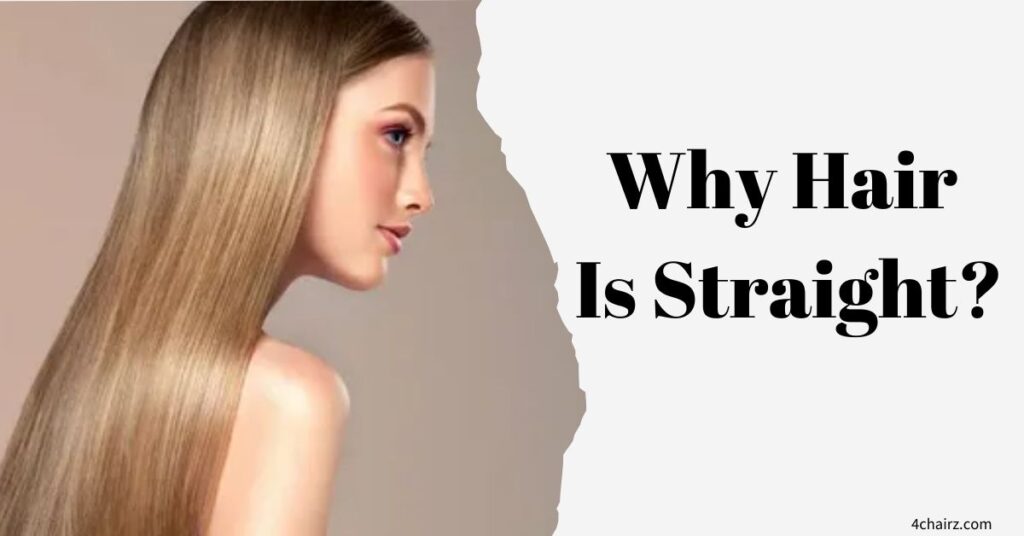
Hair is straight for many people around the world, and while it may seem simple on the surface, the science, genetics, and biology behind straight hair are more fascinating than most realise. Some people are born with naturally straight hair that never changes, while others notice shifts in texture over time. Understanding why hair is straight, how it forms, and what it means for hair health can help you care for it better and avoid common myths.
This guide explains straight hair in clear, everyday language. It combines science, genetics, real-life examples, and expert-backed facts so you get a complete picture—without jargon or fluff.
What Does It Mean When Hair Is Straight?
When we say hair is straight, we are describing hair texture, not hair health or thickness. Straight hair grows without forming waves or curls and usually lies flat from root to tip.
Straight hair:
- Grows in a mostly uniform direction
- Reflects more light, which often makes it look shinier
- Can be fine, medium, or thick
- Can still have volume or body
Many people assume straight hair means “thin” or “weak,” but that is not true. Hair texture and hair strength are two different things.
Fact: Hair texture is determined beneath the scalp, not by how you style or wash your hair.
How Hair Texture Is Determined
Hair texture is decided before hair ever reaches the surface of your scalp. The key factors are the shape of the hair follicle and the structure of the hair shaft.
The follicle acts like a mould. As hair grows out of it, the shape of that mould decides whether hair will be straight, wavy, or curly.
The three main influences on hair texture are:
- Follicle shape
- Hair shaft structure
- Genetic instructions
Straight hair comes from follicles that are round and symmetrical, allowing hair to grow evenly in one direction.
The Science Behind Straight Hair
From a scientific point of view, straight hair forms when several biological conditions align.
Follicle shape and growth pattern
Straight hair follicles are usually round, unlike curly hair follicles, which are more oval or asymmetrical. This round shape allows hair to grow straight upward and outward.
Keratin distribution
Keratin is the protein that makes up hair. In straight hair, keratin is distributed evenly across the hair shaft. This balance prevents bends, twists, or curls from forming.
Light reflection and shine
Because straight hair has a smoother surface, it reflects light more efficiently. This is why straight hair often appears sleeker and shinier than other textures.
Science insight: Straight hair reflects more light because its cuticle layers lie flatter.
Is Straight Hair Genetic?
Yes, straight hair is largely genetic. Your DNA plays the biggest role in deciding your hair texture.
How genetics influence straight hair
- Hair texture genes are inherited from both parents
- Some genes influence follicle shape
- Others affect hair thickness and density
Even within the same family, siblings can have different hair textures. One child may have straight hair, while another has wavy or curly hair.
Can straight hair skip generations?
Yes. Hair texture traits can appear to “skip” generations depending on how genes combine.
Important: Genetics set the foundation, but they are not the only factor influencing hair texture over time.
Why Is My Hair Naturally Straight?
Many people ask, “Why is my hair naturally straight while others have curls?” The answer is usually a combination of genetics and follicle structure.
Common reasons hair is naturally straight include:
- Round hair follicles
- Even keratin distribution
- Stable hormone levels
- Minimal texture-altering genes
If your hair has always been straight since childhood, it is likely your natural and permanent texture, though small changes can still happen later in life.
Can Hair Texture Change Over Time?
Yes, hair texture can change, even if your hair has always been straight.
Common causes of texture change
- Puberty: Hormonal changes can affect follicles
- Pregnancy: Hormone shifts may change hair pattern
- Ageing: Hair often becomes finer or drier with age
- Stress: Chronic stress can influence hair growth
- Nutrition: Deficiencies in vitamin B12 or vitamin D may affect hair quality
Many Reddit users report having pin-straight hair until their teens or early twenties, then noticing waves or bends later.
| Life Stage | Possible Hair Change |
|---|---|
| Childhood | Texture usually stable |
| Puberty | Waves or curls may appear |
| Adulthood | Texture may soften or thin |
| Later years | Hair may become finer |
Why Do I Have Random Curly or Wavy Hairs If My Hair Is Straight?
This is very common and does not mean your hair is changing completely.
Possible reasons include:
- Mixed follicle shapes on the scalp
- Minor hormonal fluctuations
- Damage from heat or styling
- Frizz mistaken for curl
- Natural variation in hair growth
Key point: A few curly strands do not mean your hair is no longer straight.
Straight Hair Types Explained (1A, 1B, 1C)
Not all straight hair is the same. Hair typing systems often divide straight hair into three subtypes.
| Hair Type | Description |
|---|---|
| 1A | Very fine, pin-straight, lies flat |
| 1B | Straight with slight body |
| 1C | Straight but thick, with bends or texture |
Many people with 1C hair think their hair is wavy, but it is still classified as straight hair.
Common Myths About Straight Hair
There are many myths surrounding straight hair. Let’s clear them up.
Myth One: Straight hair is weak.
Truth: Hair strength depends on genetics and proper care, not texture alone.
Myth Two: Straight hair does not need conditioning.
Reality: Even straight hair requires moisture and protection to stay healthy.
Myth Three: Straight hair never changes.
Fact: Hormones, aging, and lifestyle can alter hair texture over time.
Burgundy Hair Paint: Shades, Results, Application & Care Guide
Advantages and Challenges of Straight Hair
Straight hair comes with both benefits and challenges.
Benefits of straight hair
- Easier detangling
- Natural shine
- Simple daily styling
- Dries faster in many cases
Common challenges
- Oil buildup near the scalp
- Lack of volume
- Can appear flat if over-conditioned
Balance is key: Lightweight care works best for straight hair.
How to Care for Naturally Straight Hair
Caring for straight hair is about keeping it clean, light, and healthy.
Basic care principles:
- Avoid heavy products
- Wash as needed to prevent oil buildup
- Use heat carefully
- Focus on scalp health
Straight hair often shows damage faster because it lies flat, making split ends more visible.
How Straight Hair Compares to Wavy and Curly Hair
| Feature | Straight Hair | Wavy Hair | Curly Hair |
|---|---|---|---|
| Follicle shape | Round | Oval | Asymmetrical |
| Shine | High | Medium | Lower |
| Oil spread | Fast | Moderate | Slow |
| Styling effort | Low | Medium | High |
Each texture has its own needs. No type is better—just different.
When Straight Hair Might Signal a Health Change
Sometimes changes in straight hair can indicate a deeper issue.
Watch for:
- Sudden texture changes
- Excessive shedding
- Brittle or breaking hair
- Hair thinning without explanation
If changes are rapid or severe, it may be worth consulting a professional.
Frequently Asked Questions About Straight Hair
Is straight hair rare?
No. Straight hair is common globally, especially in certain populations.
Can straight hair become curly naturally?
It can become wavy due to hormones or ageing, but full curls are less common.
Why was my hair straight as a child but not now?
Hormonal changes during puberty often explain this.
Does straight hair grow faster?
Growth rate is similar for all hair types, but straight hair appears longer faster.
Key Takeaways About Straight Hair
- Hair is straight primarily due to genetics
- Follicle shape plays a major role
- Texture can change, but usually gradually
- Straight hair still needs proper care
- Understanding your hair prevents unnecessary damage
Final thought: Straight hair is not “simple” hair. It is a unique texture with its own science, strengths, and care needs.
Quote to Remember
“Your hair texture is not a flaw to fix—it’s biology to understand.”