
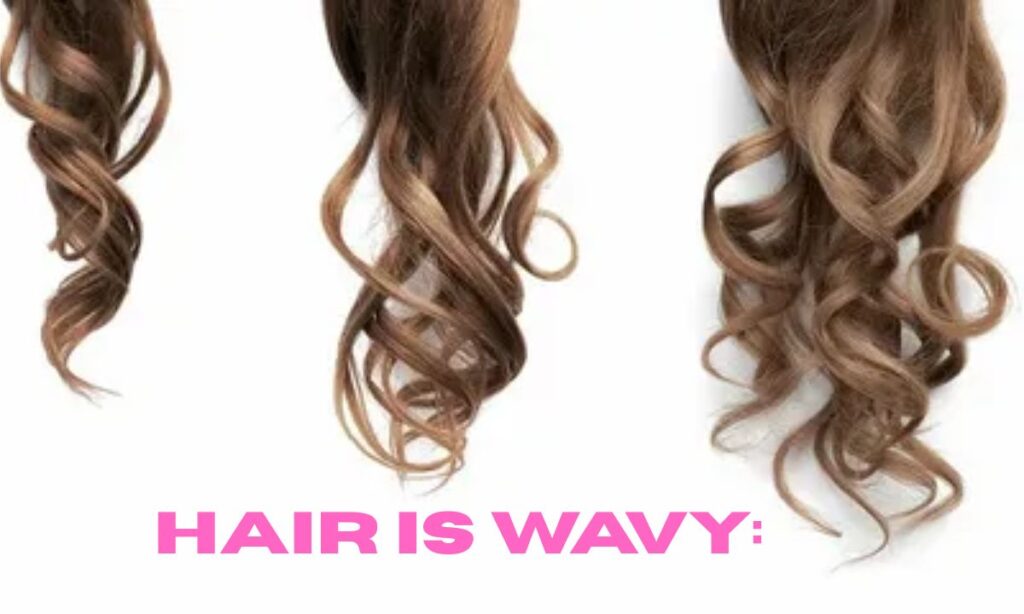
Hair is wavy and if you’ve ever felt confused by that statement, you’re not alone. Many people struggle to understand their natural hair texture because wavy hair sits right in the middle of the hair spectrum. It’s not pin-straight, but it’s not tightly curly either. Some days it looks smooth. Other days it feels frizzy, puffy, or unpredictable.
This guide is written to clear that confusion.
By the end of this article, you’ll understand what wavy hair really is, how to tell if your hair is wavy, why it behaves the way it does, and how to care for it properly without overcomplicating things or forcing it into a curly or straight routine that doesn’t fit.
What Does It Mean When Hair Is Wavy?
Wavy hair is a natural hair texture that falls between straight and curly hair. It forms soft bends or loose “S”-shaped waves rather than tight spirals or completely straight strands.
Unlike curls, wavy hair doesn’t usually coil. And unlike straight hair, it doesn’t dry perfectly smooth without some texture showing through. This is why many people misidentify wavy hair as “frizzy straight hair” or “messy curls.”
IMPORTANT: Wavy hair is not a styling result. If your hair naturally forms waves when it dries even inconsistently that texture is part of your genetic hair pattern.
Common Signs That Your Hair Is Wavy
If you’re unsure whether your hair is wavy, these signs are often the first clues.
- Your hair looks straight when wet but forms waves as it dries
- You notice soft S-shaped patterns, especially from mid-length to ends
- Your hair gets frizzy easily, especially in humidity
- Brushing your hair dry makes it puffy instead of smooth
- Your roots may look flatter while the ends have texture
- Waves appear more clearly when you air-dry or scrunch
Many people spend years fighting these signs instead of realizing they’re simply part of having naturally wavy hair.
Why Is My Hair Wavy? The Simple Science
Understanding why hair is wavy makes everything else easier.
Hair Follicle Shape
The shape of your hair follicle plays a major role in your texture.
- Round follicles produce straight hair
- Oval or slightly flattened follicles produce wavy hair
- More elliptical follicles create curly or coily hair
Wavy hair follicles sit right in the middle, which is why waves are softer and less uniform.
Moisture and the Cuticle
Wavy hair is especially sensitive to moisture. When the cuticle absorbs water, the hair strand bends slightly, creating waves. When hair is dry or coated in heavy buildup, those waves can disappear.
This is why waves often look better after hydration and worse after over-styling.
Genetics and Hormones
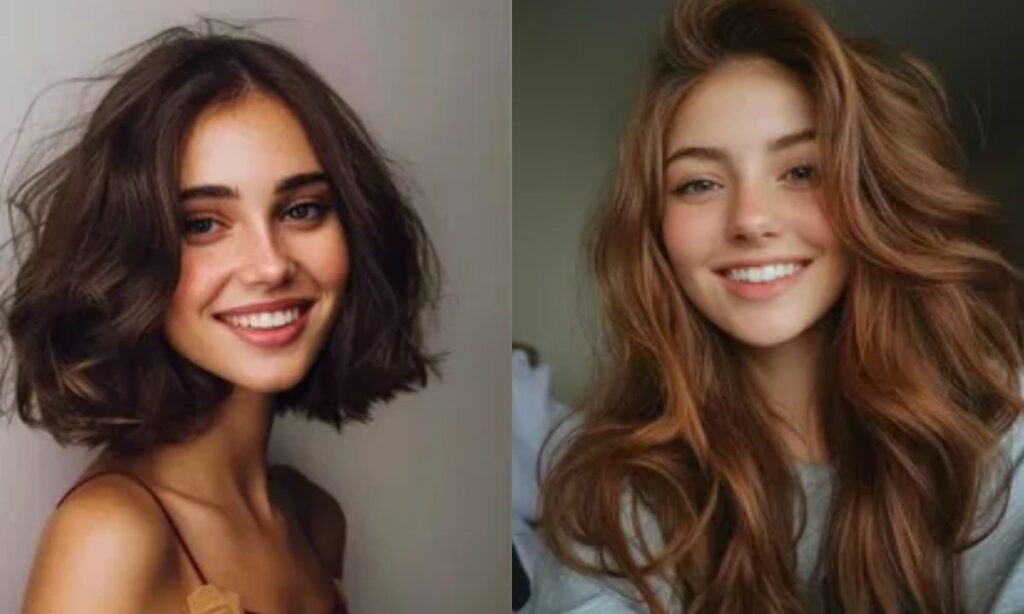
Hormonal shifts can change hair texture over time. Puberty, pregnancy, stress, aging, and even illness can cause hair to become wavier than it used to be. This is one reason people often say, “My hair never used to do this.”
Environmental Triggers
Humidity, climate, water hardness, and sun exposure all influence how visible your waves are. Wavy hair reacts quickly to its environment, which explains why it can look different day to day.
How to Tell for Sure If Your Hair Is Wavy
If you want clarity, this step-by-step test helps remove guesswork.
Step 1: Reset Your Hair
Wash your hair with a clarifying or detox shampoo to remove product buildup and excess sebum. Avoid heavy conditioners or styling products afterward.
Step 2: Air-Dry Without Touching
Gently blot your hair with a microfiber towel or cotton t-shirt. Do not brush, scrunch, or manipulate it. Let it air-dry completely.
Step 3: Assess at 100% Dry
When your hair is fully dry:
- Do you see waves forming naturally?
- Are they looser than curls but more textured than straight hair?
- Does brushing disrupt the pattern?
If yes, your hair is wavy.
FACT: Brushing wavy hair while dry often breaks wave clumps, making hair look frizzy or undefined.
Wavy Hair vs Straight Hair vs Curly Hair
Understanding the difference helps you stop using the wrong routine.
| Feature | Straight Hair | Wavy Hair | Curly Hair |
|---|---|---|---|
| Pattern | No bend | Loose S-shape | Spirals or coils |
| Frizz | Low | Moderate to high | High without moisture |
| Weight sensitivity | Low | High | Medium |
| Brushing dry | Looks smooth | Looks puffy | Disrupts curls |
| Product needs | Light | Lightweight + hold | Rich moisture |
Wavy hair needs balance, not extremes.
Understanding Wavy Hair Types (Type 2 Hair)
Wavy hair is often classified as Type 2 hair, with three subtypes.
Type 2A Wavy Hair
- Very loose, subtle waves
- Hair may look almost straight
- Easily weighed down
Type 2B Wavy Hair
- More defined S-shaped waves
- Frizz appears easily
- Waves hold better with light styling
Type 2C Wavy Hair
- Thick, coarse texture
- Waves start closer to the roots
- Often confused with curly hair
Many people have mixed wave patterns, which is completely normal.
Can Hair Become Wavy Over Time?
Yes — and this is more common than people realize.
Hair texture can change due to:
- Hormonal shifts
- Heat or chemical damage growing out
- Changes in hair length
- Improved hydration and care
- Aging
People often discover their hair is wavy only after they stop heat styling or heavy brushing.
Why Wavy Hair Acts Differently Every Day
Wavy hair is reactive by nature.
Small changes — humidity, sleep friction, product residue, or even how wet your hair was when it dried — can change your wave pattern.
This doesn’t mean your hair is “unmanageable.” It means it’s responsive.
Common Problems People With Wavy Hair Experience
- Frizz without defined curls
- Flat roots with textured ends
- Waves disappearing after brushing
- Heavy products weighing hair down
- Inconsistent texture throughout the head
These issues usually come from treating wavy hair like straight or curly hair — instead of letting it behave naturally.
Mistakes That Stop Wavy Hair From Showing Its Pattern
Many people unknowingly suppress their waves.
Common mistakes include:
- Over-brushing, especially when dry
- Using heavy creams meant for curls
- Skipping clarifying washes
- Touching hair constantly while drying
- Daily heat styling
IMPORTANT: Wavy hair often needs less interference, not more.
How to Care for Wavy Hair (Simple Overview)
Caring for wavy hair doesn’t require an extreme routine.
Washing
Use a gentle shampoo regularly and clarify occasionally to remove buildup. Co-washing can work for some, but not all wavy hair types.
Conditioning
Focus on lightweight hydration. Too much moisture can flatten waves.
Styling
Apply products on damp or soaking-wet hair. Scrunch gently. Let hair air-dry or diffuse on low heat.
Hold helps waves stay defined — but it should feel light, not crunchy.
Wavy Hair at Night and While Sleeping
Sleep friction can disrupt waves overnight.
Simple habits help:
- Use a satin or silk pillowcase
- Avoid sleeping with loose, dry hair rubbing on cotton
- Tie hair loosely if needed
Small changes make a noticeable difference.
Wavy Hair for Different Lengths and Genders
Wavy hair behaves differently depending on length and cut.
Short wavy hair may need more hold. Long wavy hair benefits from layers to reduce weight. Wavy hair for men often becomes more visible when heavy brushing stops.
Texture doesn’t belong to one gender or style — it belongs to the hair itself.
Is Wavy Hair Curly?
Wavy hair is not curly, but it can lean curly in some sections. Think of hair texture as a spectrum, not a box.
Trying to force wavy hair into a curly routine often leads to buildup and frustration.
Frequently Asked Questions About Wavy Hair
Why is my hair curly underneath but straight on top?
Top layers are more exposed to heat, sun, and friction.
Why does my hair wave only sometimes?
Moisture, product buildup, and humidity all affect wave formation.
Should wavy hair follow the Curly Girl Method?
Some principles help, but strict rules often weigh waves down.
Is frizz normal for wavy hair?
Yes. Frizz often means waves want moisture or gentle hold.
Final Thoughts
Wavy hair doesn’t need fixing. It needs understanding.
Once you stop fighting your texture and start working with it, your hair becomes easier to manage, more consistent, and more enjoyable. Whether your waves are loose, defined, or somewhere in between, they are valid, natural, and uniquely yours.
Understanding that hair is wavy can be the moment everything finally makes sense.