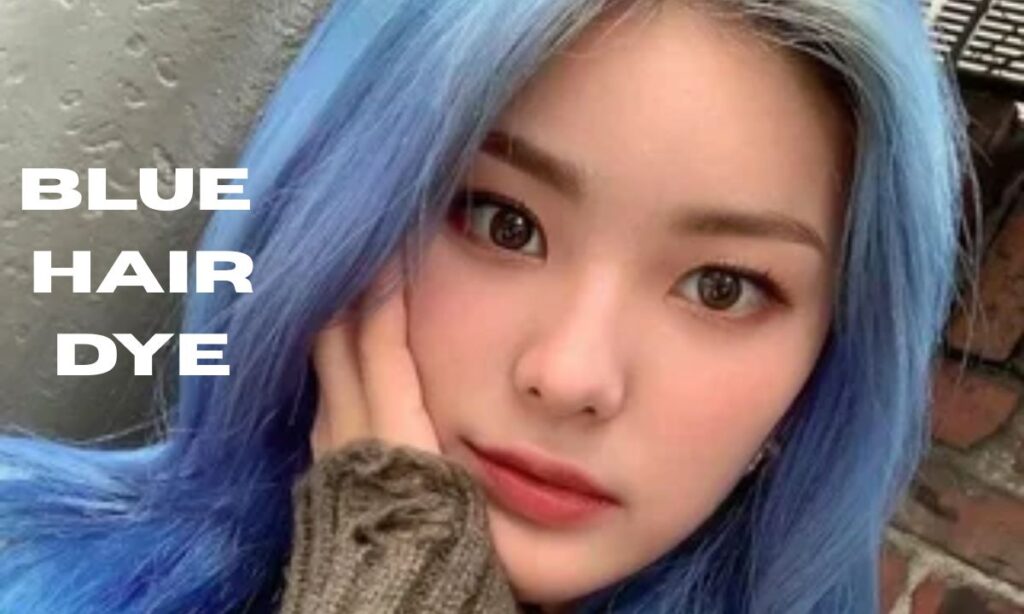
Blue hair dye has transformed from a bold fashion risk into a mainstream beauty trend embraced by people of all ages. From deep navy tones to bright electric blue, this vibrant color represents confidence, individuality, and creative self-expression. But achieving and maintaining the perfect blue shade requires the right preparation, products, and aftercare.
This complete guide explains everything you need to know about blue hair dye, including how it works, how to apply it, how to prevent fading, and how to keep your hair healthy.
What Is Blue Hair Dye?
Blue hair dye is a fashion hair color designed to deposit blue pigments onto the hair shaft. Unlike natural shades such as brown or blonde, blue is considered a fantasy color, meaning it usually requires pre-lightened hair for the color to show vividly.
There are three main types:
| Type | How It Works | How Long It Lasts | Best For |
| Temporary | Coats surface only | 1–3 washes | Events, short-term fun |
| Semi-Permanent | Deposits color without developer | 8–25 washes | Vibrant tones, low damage |
| Permanent | Uses developer to penetrate cortex | Grows out | Long-term color change |
Most people choose semi-permanent blue hair dye because it is ammonia-free, conditioning, and less damaging than permanent formulas.
Why Is Blue Hair So Popular? (Meaning & Psychology)
Blue hair has strong cultural and emotional associations. People choose it not only for style but also for what it represents.
Common meanings behind blue hair:
- Individuality – Standing out from the crowd
- Creativity – Artistic and expressive personality
- Confidence – Bold, fearless self-image
- Calmness – Blue is psychologically linked to serenity
- Rebellion – Breaking traditional beauty norms
In recent years, blue hair has become popular among artists, influencers, gamers, and Gen Z, symbolizing freedom of self-expression.
The History of Blue Hair in Fashion
Blue hair may seem modern, but it has historical roots:
- In the 18th century, aristocrats used tinted powders, sometimes with blue tones
- The “blue rinse” became popular in the early 1900s to brighten grey hair
- Punk culture in the 1970s–80s made bold unnatural colors mainstream
- Social media in the 2010s turned blue hair into a global beauty trend
Today, blue hair appears in runway fashion, music culture, anime fandoms, and street style.
Popular Blue Hair Dye Shades
Not all blue hair looks the same. The shade you choose affects how bold, soft, or dramatic your look appears.
| Shade | Description | Best For |
| Electric Blue | Bright, neon, eye-catching | Bold personalities |
| Royal Blue | Rich, vibrant, balanced | Most skin tones |
| Navy Blue | Deep, dark, subtle | Professional settings |
| Pastel Blue | Soft, icy, dreamy | Light, delicate styles |
| Teal Blue | Blue-green ocean tone | Trendy, artistic vibes |
| Denim Blue | Muted, smoky blue | Low-maintenance look |
Do You Need to Bleach Before Using Blue Hair Dye?
In most cases, yes. Blue shows best on light blonde hair.
Hair Level Guide
| Hair Level | Natural Shade | Blue Result |
| Level 1–3 | Black/Dark Brown | Tint barely visible |
| Level 4–6 | Brown/Light Brown | Dark, muted blue |
| Level 7 | Dark Blonde | Soft blue tone |
| Level 8–10 | Light Blonde/Platinum | Bright, true blue |
Bleaching lifts natural pigment so the blue dye can appear vibrant. However, over-bleaching can cause dryness, breakage, and split ends, so conditioning treatments are essential.
How to Dye Your Hair Blue at Home (Step-by-Step)
Step 1: Lighten Hair (If Needed)
Use a quality bleach kit and follow instructions carefully. Aim for a pale yellow base for bright blues.
Step 2: Wash & Dry
Do not use conditioner before dyeing. Clean, dry hair absorbs color better.
Step 3: Protect Skin & Clothes
Apply petroleum jelly along the hairline and wear gloves.
Step 4: Apply Blue Hair Dye
Section hair and apply evenly from roots to ends using a brush or gloved hands.
Step 5: Processing Time
Leave dye on for 20–45 minutes (or as directed).
Step 6: Rinse with Cool Water
Avoid shampooing for at least 48 hours to lock in pigment.
How Long Does Blue Hair Dye Last?
Longevity depends on the type of dye and your haircare routine.
| Dye Type | Average Longevity |
| Temporary | 1–3 washes |
| Semi-Permanent | 10–25 washes |
| Permanent | Until hair grows out |
Blue fades faster than many colors because its pigment molecules are larger and wash out easily.
How to Keep Blue Hair from Fading
Blue hair maintenance is crucial if you want vibrant color for longer.
Best practices:
- Wash hair only 2–3 times per week
- Use sulfate-free, color-safe shampoo
- Rinse with cold or lukewarm water
- Avoid excessive sun exposure
- Use color-depositing blue conditioners
- Limit heat styling tools
Common Blue Hair Problems (And Solutions)
Problem: Blue Turns Green
Cause: Yellow undertones in hair
Solution: Use a purple toner before dyeing
Problem: Fast Fading
Cause: Frequent washing or harsh shampoo
Solution: Switch to color-safe products and dry shampoo
Problem: Staining
Cause: Wet dye transfer
Solution: Use dark towels and pillowcases
Problem: Dryness After Bleaching
Cause: Hair cuticle damage
Solution: Deep condition weekly and use hair masks
Is Blue Hair Dye Damaging?
Blue dye itself is usually gentle, but bleaching is the main cause of damage.
Possible risks:
- Dryness
- Breakage
- Split ends
- Scalp irritation
Prevention tips:
- Use bond-repair treatments
- Deep condition weekly
- Avoid frequent recoloring
Blue Hair Care Routine
| Routine Step | Why It Matters |
| Leave-in conditioner | Keeps hair moisturized |
| Heat protectant | Prevents damage from styling tools |
| Hair oil (ends only) | Reduces dryness |
| Weekly hair mask | Repairs damage |
| Silk pillowcase | Reduces friction & fade |
Who Should Try Blue Hair Dye?
Blue hair works well for people who:
✔ Love bold fashion
✔ Enjoy creative self-expression
✔ Are okay with maintenance
✔ Want a non-traditional hair color
It may not be ideal for those seeking low-maintenance or very natural looks.
Frequently Asked Questions
Can I dye dark hair blue without bleach?
You may get a subtle tint, but vibrant blue usually requires pre-lightening.
How often can I re-dye blue hair?
Every 4–6 weeks is safer to avoid damage.
Can blue hair dye be removed easily?
Blue is one of the hardest colors to remove and may fade to green.
Does blue hair suit all skin tones?
Yes — just choose the right shade. Navy suits warm tones, pastel suits cool tones.
Final Thoughts: Is Blue Hair Dye Worth It?
Blue hair dye is more than a beauty choice it’s a statement of personality, creativity, and confidence. While it requires maintenance and proper care, the results can be stunning and uniquely expressive.
If you’re ready to stand out, experiment with bold color, and embrace a vibrant look, blue hair might be your perfect next transformation.