
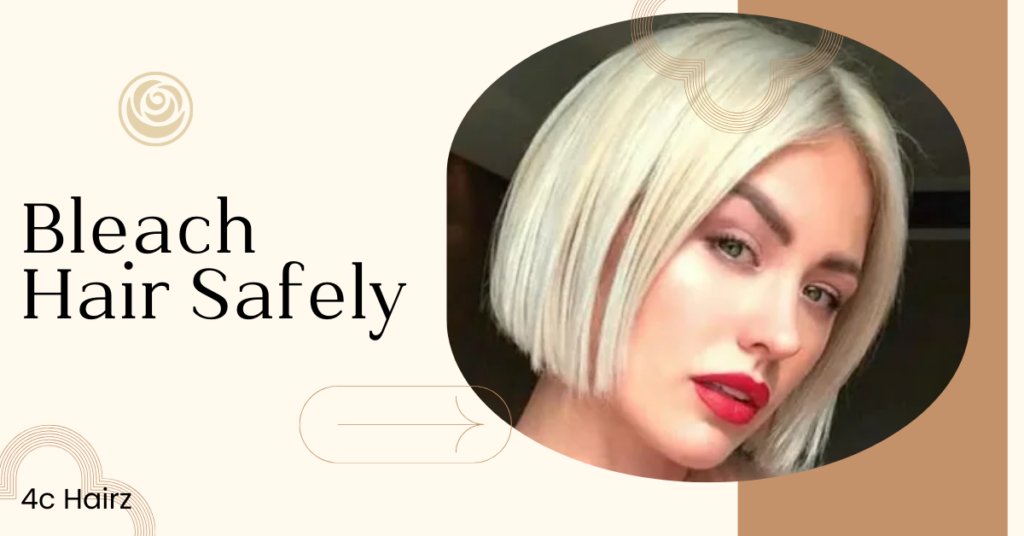
Bleach hair is one of the most powerful ways to transform your look, but it is also one of the most misunderstood hair processes. When done correctly, bleaching can take hair from dark brown or black to blonde, platinum, or even silver. When done incorrectly, it can lead to dryness, breakage, uneven color, or scalp irritation.
This in-depth guide explains how to bleach hair safely, what actually happens during the hair bleaching process, and how to avoid common mistakes. Whether you are bleaching hair at home for the first time or trying to understand professional techniques, this article will walk you through everything step by step in a clear, practical, and human way.
What Does It Mean to Bleach Hair?
Bleaching hair means removing natural or artificial pigment from the hair shaft. Unlike hair dye, which adds color, bleach works by lifting color out of the hair.
Hair naturally contains melanin, which gives it its color. When you bleach hair, the bleach breaks down melanin molecules. As a result, hair becomes lighter but also more vulnerable. This is why bleaching hair requires planning, patience, and proper aftercare.
Bleaching is commonly used to:
- Go blonde or platinum
- Prepare hair for bright or pastel colors
- Lighten dark or previously dyed hair
How Hair Bleach Works (The Science Made Simple)
Hair bleach is usually made of bleach powder and a peroxide developer. When mixed together, they create a chemical reaction that opens the hair cuticle and dissolves pigment.
What Happens to Hair Pigment
Hair does not turn blonde instantly. It lifts in stages:
- Dark brown or black hair turns red or orange
- Then it becomes yellow
- With enough lift, it reaches pale yellow or platinum
This explains why many people struggle with orange or brassy tones after bleaching hair.
Bleach Powder vs Developer
Bleach powder removes pigment, while the developer controls how fast and how strong the process is. Choosing the correct developer volume is critical for safe bleaching.
Hair Developer Volumes Explained (10, 20, 30, 40)
Understanding developer strength is one of the most important parts of bleaching hair safely.
| Developer Volume | Strength | Best Use |
|---|---|---|
| 10 vol | Very gentle | Toning, slight lift |
| 20 vol | Moderate | Standard at-home bleaching |
| 30 vol | Strong | Lifting dark hair carefully |
| 40 vol | Very strong | Professional use only |
20 volume developer is the safest option for most people bleaching hair at home. 40 volume developer can cause severe damage and scalp burns if misused.
Understanding Hair Levels (1–10) Before You Bleach
Hair color professionals use a level system from 1 to 10:
- Level 1 = black
- Level 4 = medium brown
- Level 7 = dark blonde
- Level 9 = very light blonde
- Level 10 = platinum
If you want silver or platinum hair, you usually need to reach level 9 or level 10. Trying to tone hair that is too dark will not work and leads to orange or muddy results.
Things to Consider Before You Bleach Hair
Bleaching is not just about color. It depends heavily on your hair’s condition and history.
Hair History Matters
Virgin hair (never dyed) lifts more evenly. Hair that has been previously dyed, especially with box dye or henna, can react unpredictably when bleached.
Hair Type and Texture
Fine hair lifts faster but breaks more easily. Thick hair may need more time. Curly and coily hair often needs extra moisture because it dries out faster after bleaching.
Scalp Health
Bleaching hair on an irritated or damaged scalp increases the risk of burning. If your scalp stings before bleach is applied, stop immediately.
Patch Test vs Strand Test (Know the Difference)
Many people confuse these two tests, but both are essential.
Patch Test (48 Hours)
A patch test checks for allergic reactions. Apply a small amount of bleach behind your ear or on your arm and wait 48 hours.
Strand Test
A strand test shows how your hair will react. It tells you:
- How light your hair will get
- How long bleach should stay on
- Whether your hair can handle another session
Doing both tests dramatically reduces the risk of damage.
How to Bleach Hair at Home (Step-by-Step)
Bleaching hair at home can be safe if done correctly and patiently.
What You Need
- Bleach powder
- Developer (usually 20 vol)
- Gloves, bowl, and brush
- Sectioning clips
- Purple shampoo or toner
The Bleaching Process
- Start with dry, unwashed hair
- Mix bleach and developer according to instructions
- Section hair evenly
- Apply bleach mid-lengths first, roots last
- Monitor hair every 10 minutes
- Rinse thoroughly once desired lift is reached
Never leave bleach on longer than recommended.
Common Bleaching Mistakes (And How to Avoid Them)
Many cases of bleach hair damage come from avoidable errors:
- Using developer that is too strong
- Overlapping bleach on previously lightened hair
- Skipping strand tests
- Bleaching hair too frequently
- Ignoring aftercare
Slow, controlled lifting always produces better results than rushing.
What Happens After You Bleach Hair
After bleaching, hair often appears yellow or orange. This is normal.
Toner vs Purple Shampoo
- Toner neutralizes warm tones chemically
- Purple shampoo maintains cool tones over time
Toner is used immediately after bleaching, while purple shampoo is part of long-term maintenance.
Bleach Hair Damage: Myths vs Reality
Bleach itself does not automatically destroy hair. Damage happens when:
- Hair is over-processed
- Moisture and protein balance is ignored
- Heat styling is overused after bleaching
Healthy bleached hair is possible with proper care.
How to Care for Bleached Hair Properly
Bleached hair needs a new routine.
Washing and Moisture
Wash hair less frequently and use sulfate-free shampoos. Deep condition weekly to restore hydration.
Protein vs Moisture Balance
Too much protein causes stiffness. Too much moisture causes weakness. Balance is key.
Heat Styling
Limit heat for the first two weeks after bleaching. Always use heat protection.
How Often Can You Bleach Hair Safely?
Most hair needs at least 4–6 weeks between bleaching sessions. Root touch-ups are safer than full re-bleaching.
Bleaching hair too often leads to breakage, elasticity loss, and split ends.
At-Home Bleaching vs Salon Bleaching
| At-Home Bleaching | Salon Bleaching |
|---|---|
| Lower cost | Higher cost |
| Higher risk | Professional assessment |
| DIY control | Customized formulas |
If hair is very dark, damaged, or previously dyed, salon bleaching is safer.
Who Should NOT Bleach Their Hair at Home
You should avoid bleaching hair at home if:
- Hair is severely damaged
- Hair was recently chemically treated
- You have scalp conditions or sensitivity
Professional guidance is strongly recommended in these cases.
Frequently Asked Questions About Bleaching Hair
Can I bleach hair twice in one day?
No. This causes extreme damage.
Can I bleach dyed hair?
Yes, but results vary depending on dye history.
Why does bleach burn my scalp?
This can happen due to sensitivity or strong developer.
Final Thoughts on Bleaching Hair Safely
Bleaching hair is a commitment, not a quick fix. When done with knowledge, patience, and care, it can be safe, effective, and incredibly transformative.
By understanding developer volumes, hair levels, proper preparation, and aftercare, you reduce damage and improve results. Take your time, respect your hair’s limits, and always prioritize hair health over speed.
Bleach hair responsibly, and your results will reflect it.