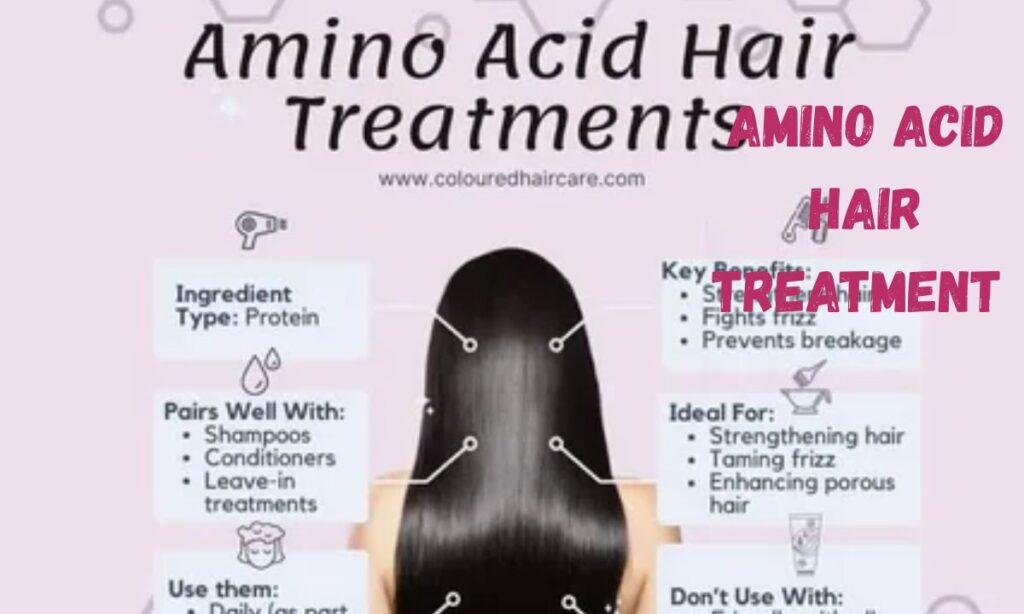
Amino acid hair treatment is becoming one of the most popular hair repair and smoothing solutions in modern hair care. This treatment focuses on restoring the natural protein structure of hair, improving strength, shine, and manageability.
Hair is primarily composed of keratin protein, which contains multiple amino acids responsible for maintaining healthy hair structure. When hair is exposed to heat styling, coloring, pollution, and chemical processes, the protein bonds weaken. As a result, hair becomes dry, frizzy, and prone to breakage.
An amino acid hair treatment helps rebuild these protein bonds, restoring the hair’s natural health. By replenishing essential amino acids and improving moisture balance, the treatment helps repair damaged hair fibers and smooth the hair cuticle.
This guide explains everything you need to know about amino acid hair treatment, including benefits, process, cost, safety, and long-term results.
What Is Amino Acid Hair Treatment
An amino acid hair treatment is a professional hair repair therapy designed to restore hair health by replenishing essential amino acids that make up hair proteins.
Amino acids are the building blocks of keratin, the primary structural protein in hair. When these amino acids are lost due to damage, hair becomes weak and brittle.
The treatment works by applying a formula containing:
| Treatment Component | Purpose |
| Amino acids | Repair damaged hair protein |
| Conditioning agents | Restore moisture balance |
| Botanical extracts | Improve scalp nourishment |
| Heat activation | Seal nutrients into the hair shaft |
During the process, heat is used to help the treatment penetrate the hair cuticle and bond with the hair fiber.
The result is stronger, smoother, and shinier hair.
How Amino Acids Improve Hair Structure
Human hair contains 18 to 20 types of amino acids that work together to form keratin protein chains. These proteins maintain hair strength, elasticity, and flexibility.
When hair is exposed to damage, the protein chains weaken and gaps form in the hair shaft. This causes:
- Hair breakage
- Frizz
- Loss of shine
- Reduced elasticity
Amino acid hair treatments work by filling these structural gaps.
Key functions of amino acids in hair repair include:
- Rebuilding damaged protein bonds
- Strengthening hair fibers
- Improving moisture retention
- Enhancing hair elasticity
- Smoothing the hair cuticle
Because of these benefits, amino acids are widely used in professional hair repair therapies.
Benefits of Amino Acid Hair Treatment
One of the main reasons for the popularity of amino acid hair treatments is their ability to improve both hair health and appearance.
Key Benefits
- Reduces frizz and flyaways
- Restores hair shine and smoothness
- Repairs damaged hair fibers
- Strengthens weak hair strands
- Improves moisture balance
- Enhances hair manageability
Additional Hair Improvements
| Benefit | Visible Result |
| Hair strengthening | Reduced breakage |
| Hair smoothing | Softer texture |
| Shine enhancement | Glossy appearance |
| Deep conditioning | Hydrated hair |
Many people notice improved hair texture immediately after the treatment.
Amino Acid Hair Treatment vs Keratin Treatment
Many people compare amino acid hair treatments with traditional keratin treatments. Although both aim to improve hair texture, they work differently.
| Feature | Amino Acid Hair Treatment | Keratin Treatment |
| Chemical exposure | Minimal | Often higher |
| Hair repair | High | Moderate |
| Hair straightening | Mild smoothing | Strong straightening |
| Safety level | Generally safer | Chemical exposure risk |
| Result duration | 3–5 months | 4–6 months |
Amino acid treatments are often preferred by individuals seeking a gentler hair smoothing solution.
Who Should Get This Treatment
Amino acid hair treatment is suitable for many hair types, especially hair that has been damaged by chemical or environmental factors.
The treatment works well for people with:
- Frizzy hair
- Color-treated hair
- Heat-damaged hair
- Dry or brittle hair
- Curly hair needing frizz control
However, individuals who want completely straight hair may prefer stronger straightening treatments.
Step-by-Step Amino Acid Hair Treatment Process
A professional amino acid hair treatment usually takes 60 to 90 minutes depending on hair length and thickness.
Step 1: Hair Cleansing
The hair is washed with a clarifying shampoo to remove oil and product buildup.
Step 2: Treatment Application
Amino acid solution containing protein-repair ingredients is applied evenly throughout the hair.
Step 3: Heat Activation
The hair is blow-dried and sealed using a flat iron to activate the amino acids and lock them into the hair cuticle.
Step 4: Final Styling
Hair is rinsed and styled to reveal smoother and shinier results.
How Long Does Amino Acid Hair Treatment Last
Results typically last 3 to 5 months, depending on hair care habits.
Several factors influence how long the results remain visible:
- Frequency of hair washing
- Use of sulfate-based shampoos
- Heat styling frequency
- Environmental exposure
Using gentle hair care products and reducing heat styling can help extend the treatment’s longevity.
Cost of Amino Acid Hair Treatment
The cost varies based on salon expertise, hair length, and location.
| Salon Type | Average Cost |
| Basic salon | $100 – $150 |
| Professional salon | $200 – $300 |
| Luxury salon | $350 or more |
At-home treatment kits are also available, usually priced between $40 and $100, but professional treatments often deliver better results.
At-Home vs Salon Treatment
Some people choose DIY amino acid hair treatments, but professional treatments generally provide deeper repair.
| Feature | At-Home Treatment | Salon Treatment |
| Cost | Lower | Higher |
| Results | Moderate | Professional quality |
| Application | Self-applied | Expert applied |
| Duration | 2–3 months | 3–5 months |
For severely damaged hair, professional salon treatments are usually more effective.
Side Effects and Safety
Amino acid hair treatments are generally considered safe and gentle compared with traditional chemical straightening treatments.
Possible minor side effects may include:
- Mild scalp irritation
- Temporary product buildup
- Slight dryness if overused
Most professional formulas are formaldehyde-free, which reduces the risk associated with harsh chemical treatments.
Hair Care Routine After Treatment
Proper hair care helps maintain the results of amino acid treatments for longer.
Recommended Aftercare Routine
- Use sulfate-free shampoo
- Avoid excessive heat styling
- Apply deep conditioning masks weekly
- Protect hair from chlorine and saltwater
- Limit frequent washing
Following these steps can help maintain smoother and healthier hair.
Before and After Results
Most individuals notice several improvements after treatment, including:
- Reduced frizz
- Improved shine
- Softer hair texture
- Better manageability
Hair often appears healthier, smoother, and stronger after the first treatment session.
Conclusion
Amino acid hair treatment offers an effective way to repair damaged hair, improve shine, and reduce frizz without exposing hair to harsh chemicals. By restoring the natural protein structure of hair, this treatment strengthens strands and enhances overall hair health.
For individuals struggling with frizzy, dry, or chemically damaged hair, amino acid therapy provides a safe and restorative hair care solution that improves both the appearance and health of hair.
Frequently Asked Questions
Is amino acid hair treatment safe?
Yes, most amino acid hair treatments are designed to be gentle and formaldehyde-free, making them safer than many chemical straightening treatments.
Can it straighten curly hair?
The treatment primarily reduces frizz and loosens curls, but it does not permanently straighten hair.
How often should the treatment be done?
Most professionals recommend repeating the treatment every 3 to 5 months.
Can colored hair receive amino acid treatment?
Yes. In fact, the treatment can help repair damage caused by hair coloring and chemical processing.