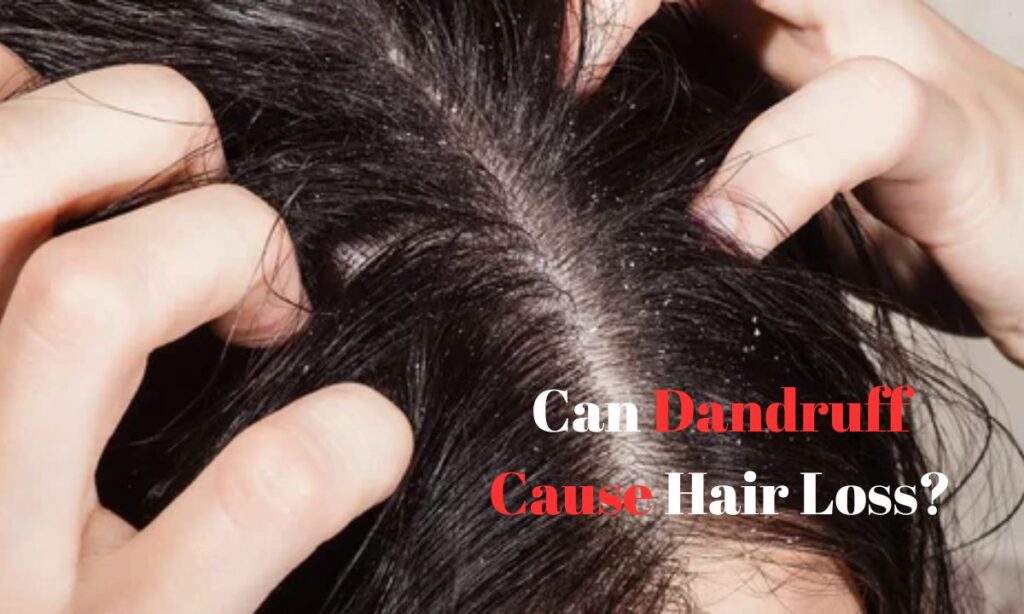
Dandruff is one of the most common scalp conditions, affecting millions of people worldwide. While it is often seen as a cosmetic concern, many people worry about a more serious question: can dandruff cause hair loss? If you have noticed flakes on your scalp along with increased hair fall, you are not alone.
In this detailed, we will explore whether dandruff can cause hair loss, how the two are connected, and what you can do to protect your scalp and hair health.
What Is Dandruff?
Dandruff is a chronic scalp condition characterized by white or yellow flakes, itching, and sometimes redness. It is commonly caused by:
- Overgrowth of Malassezia, a naturally occurring scalp fungus
- Excess oil production (seborrheic dermatitis)
- Dry scalp
- Sensitivity to hair products (contact dermatitis)
- Poor scalp hygiene
While dandruff itself is not dangerous, persistent scalp inflammation can create problems for healthy hair growth.
Can Dandruff Cause Hair Loss?
The short answer is: yes, dandruff can cause hair loss indirectly. Dandruff does not directly damage hair follicles, but severe or untreated dandruff can lead to conditions that trigger temporary hair loss.
How Dandruff Leads to Hair Loss
- Excessive Itching and Scratching
Constant scratching weakens hair strands and damages hair follicles, leading to increased breakage and shedding. - Scalp Inflammation
Inflammation caused by dandruff can disrupt the hair growth cycle, pushing hair follicles into the shedding (telogen) phase prematurely. - Blocked Hair Follicles
Flakes, oil, and dead skin buildup can clog follicles, making it difficult for new hair to grow properly. - Weakened Hair Roots
An unhealthy scalp environment reduces oxygen and nutrient delivery to hair roots, increasing hair fall.
The good news is that hair loss caused by dandruff is usually temporary and reversible once the scalp condition is treated.
Dandruff vs. Other Causes of Hair Loss
It is important to distinguish dandruff-related hair loss from other conditions such as:
- Androgenetic alopecia (male or female pattern baldness)
- Telogen effluvium due to stress or illness
- Alopecia areata (autoimmune hair loss)
- Nutritional deficiencies
If hair loss continues even after dandruff is under control, a dermatologist should be consulted for proper diagnosis.
Symptoms That Indicate Dandruff-Related Hair Loss
You may be experiencing hair loss due to dandruff if you notice:
- Persistent scalp flakes and itching
- Red or oily patches on the scalp
- Hair shedding that increases during scratching or washing
- Hair fall without visible bald patches
These signs suggest scalp irritation rather than permanent follicle damage.
How to Treat Dandruff and Prevent Hair Loss
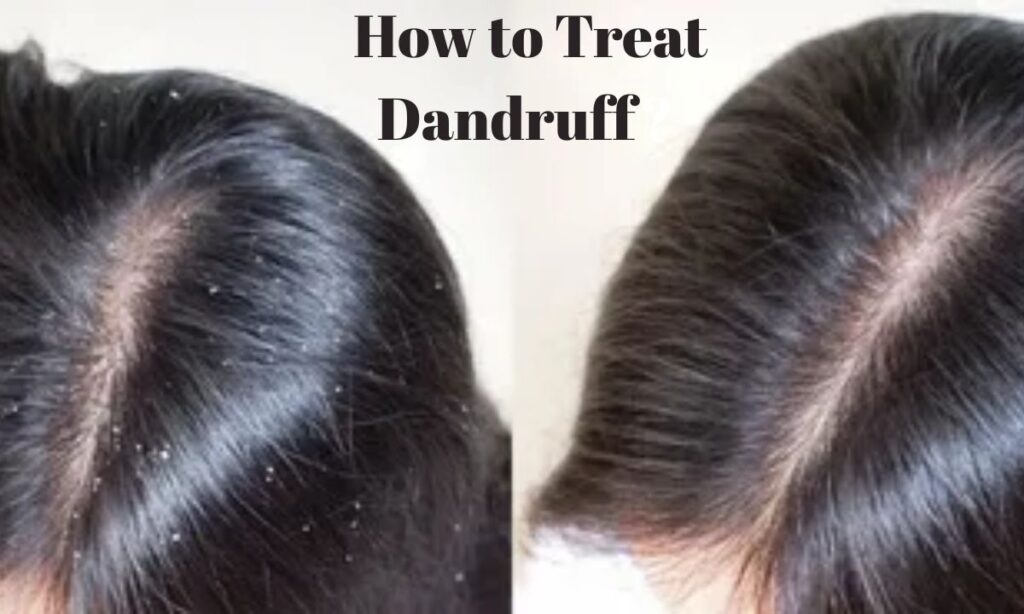
1. Use Medicated Anti-Dandruff Shampoos
Look for shampoos containing:
- Ketoconazole – fights fungal overgrowth
- Zinc pyrithione – reduces flakes and bacteria
- Selenium sulfide – slows skin cell turnover
- Salicylic acid – removes scale buildup
Use 2–3 times per week or as directed.
2. Avoid Scratching Your Scalp
Scratching worsens inflammation and increases hair breakage. Keep nails short and soothe itchiness with medicated treatments.
3. Maintain Proper Scalp Hygiene
- Wash hair regularly (but not excessively)
- Rinse thoroughly to avoid product buildup
- Avoid very hot water
4. Follow a Scalp-Friendly Diet
Nutrients that support scalp and hair health include:
- Omega-3 fatty acids
- Zinc and iron
- B vitamins (especially biotin)
- Vitamin D
5. Reduce Stress Levels
Stress can worsen dandruff and contribute to hair shedding. Practices such as yoga, meditation, and regular exercise can help.
Natural Remedies for Dandruff-Related Hair Loss
While not a replacement for medical treatment, these may help mild dandruff:
- Tea tree oil (antifungal properties)
- Aloe vera gel (soothing and anti-inflammatory)
- Coconut oil (moisturizing dry scalp)
- Apple cider vinegar (restores scalp pH)
Always do a patch test before use.
When to See a Dermatologist
Seek professional help if:
- Dandruff does not improve after 2–4 weeks of treatment
- Hair loss becomes excessive or patchy
- Scalp redness, pain, or infection develops
Early treatment helps prevent long-term scalp damage.
Does oily dandruff cause more hair loss than dry dandruff?
Oily dandruff, often associated with seborrheic dermatitis, can contribute to more noticeable hair loss compared to dry dandruff. This is because excess oil on the scalp creates an ideal environment for fungal overgrowth, leading to increased inflammation, redness, and itching. Persistent itching often results in frequent scratching, which weakens hair shafts and stresses hair follicles.
Over time, this can increase hair shedding and make hair appear thinner. Dry dandruff can also cause hair fall, but it is usually milder and linked mainly to scalp dryness and flaking rather than intense inflammation.
This inflammation may increase itching and scratching, which can lead to more noticeable hair shedding compared to dry dandruff.
Can dandruff cause hair thinning in men and women?
Yes, dandruff can cause temporary hair thinning in both men and women. The thinning usually happens due to excessive hair shedding rather than permanent damage to the hair follicles. In men, dandruff may coexist with male pattern baldness, making hair loss appear more severe.
In women, dandruff-related inflammation can disrupt the hair growth cycle, leading to increased shedding and reduced hair volume. The good news is that once dandruff is treated and scalp health improves, hair thickness often gradually returns over the following months.
Can dandruff make existing hair loss worse?
Dandruff can make existing hair loss conditions worse by creating an unhealthy scalp environment. Conditions such as androgenetic alopecia or telogen effluvium may appear more aggressive when dandruff-related itching, inflammation, and follicle blockage are present.
Scratching can further weaken already fragile hair strands, increasing breakage and shedding. While dandruff does not cause these hair loss conditions directly, failing to manage it can accelerate visible hair thinning. Treating dandruff helps reduce additional stress on the scalp and supports healthier hair growth overall.
Final Verdict: Can Dandruff Cause Hair Loss?
So, can dandruff cause hair loss? Yes but usually in an indirect and temporary way. Dandruff creates an unhealthy scalp environment that can increase hair shedding, but it rarely causes permanent hair loss.
By treating dandruff early, maintaining scalp hygiene, and using the right products, you can stop hair fall and restore healthy hair growth.
Frequently Asked Questions (FAQ)
Can dandruff cause hair loss permanently?
No, dandruff does not usually cause permanent hair loss. Hair fall linked to dandruff is typically temporary and occurs due to scalp inflammation, itching, and scratching. Once dandruff is treated and the scalp becomes healthy, hair growth generally returns to normal.
How does dandruff lead to hair fall?
Dandruff can lead to hair fall by causing scalp irritation and inflammation. Excessive itching and scratching weaken hair roots, while flakes and oil buildup can clog hair follicles, disrupting the natural hair growth cycle.
Will hair grow back after treating dandruff?
Yes, in most cases hair will grow back after dandruff is treated successfully. Using anti-dandruff shampoos and maintaining proper scalp care helps restore a healthy environment for hair regrowth.
How long does it take to stop hair loss caused by dandruff?
Hair fall usually reduces within 2 to 4 weeks of consistent dandruff treatment. Full improvement in hair density may take a few months, depending on scalp health and individual hair growth cycles.
Can dry dandruff cause hair loss?
Dry dandruff can contribute to hair loss indirectly. Flaking and itchiness may lead to scratching, which weakens hair strands and increases breakage, but it does not directly damage hair follicles.
Is dandruff-related hair loss common?
Yes, dandruff-related hair shedding is fairly common, especially in people with severe or untreated dandruff. However, it is usually mild to moderate and reversible.
Which shampoo is best if dandruff is causing hair loss?
Shampoos containing ketoconazole, zinc pyrithione, or selenium sulfide are commonly recommended when dandruff is associated with hair fall. These ingredients help control fungal growth and reduce scalp inflammation.
When should I see a doctor for dandruff and hair loss?
You should consult a dermatologist if dandruff does not improve after a few weeks of treatment, if hair loss becomes excessive, or if you notice redness, pain, or patches of hair loss on the scalp.