Natural hair colors have become one of the most searched and discussed beauty topics in recent years. People are no longer looking only for bold transformations. Instead, they want hair colors that look authentic, feel healthier, and suit their natural features. Whether you are exploring your naturally occurring hair color, considering plant-based hair dyes, or looking for natural-looking hair color shades that blend seamlessly, this guide covers everything you need to know.
This in-depth article explains what natural hair colors really are, how they differ from dyed hair, the types of natural hair colors available today, and how to choose the best option for your skin tone, lifestyle, and hair health. The goal is simple: help you make an informed, confident, and safe choice.
What Are Natural Hair Colors?
Natural hair colors refer to hair shades that either occur naturally due to genetics or are created using gentler, low-chemical, or plant-based methods that mimic natural tones.
The term “natural” is often misunderstood. In hair coloring, it can mean three different things:
- Naturally occurring hair colors determined by genetics
- Plant-based or botanical hair dyes such as henna and indigo
- Low-chemical or ammonia-free hair color products designed to look natural
Understanding this difference is important. Many people assume natural hair colors are always chemical-free, but that is not always true. Some “natural” hair color creams still contain mild processing agents, while others rely entirely on plants.
Naturally Occurring Hair Colors (Genetic Hair Shades)
Every person is born with a natural hair color determined by genetics and melanin levels. These shades form the foundation of what looks most natural on an individual.
Main Natural Hair Color Categories
The most common naturally occurring hair colors include:
- Black hair – the darkest and most common worldwide
- Brown hair – ranges from light brown to deep chocolate
- Blonde hair – varies from dark blonde to light blonde
- Red hair – the rarest natural hair color
Rare Natural Hair Colors
Some natural hair colors are less common but still genetic:
- Strawberry blonde
- Auburn
- Chestnut
- Ash-toned natural hair
These shades are often replicated in salons because they look soft, dimensional, and realistic.
Natural Hair Color Levels Explained (1–10)
Hair professionals use a hair color level system to describe depth:
| Hair Level | Description |
|---|---|
| Level 1 | Natural Black |
| Level 2–3 | Dark Brown |
| Level 4–5 | Medium to Light Brown |
| Level 6–7 | Dark Blonde |
| Level 8–9 | Light Blonde |
| Level 10 | Very Light Blonde |
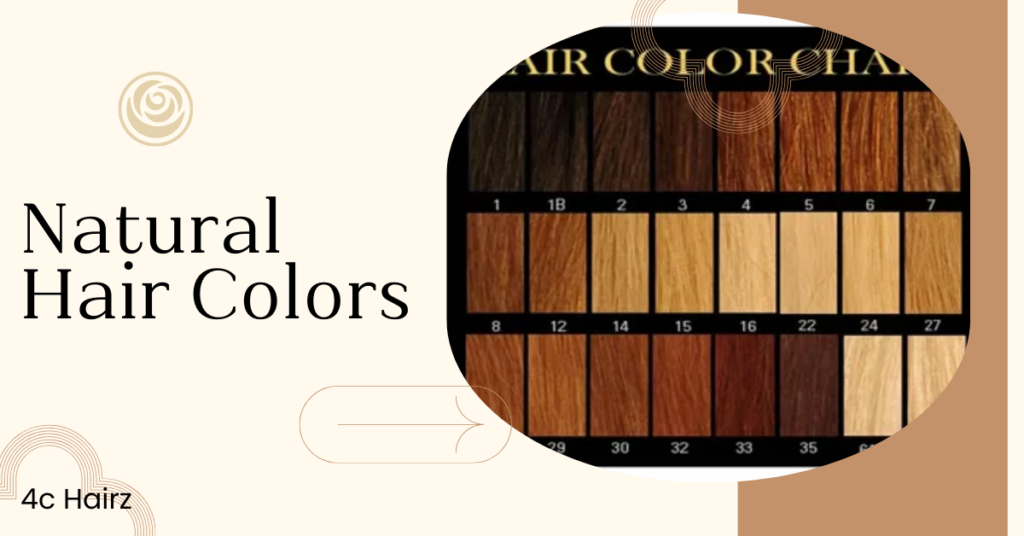
This explains why you see shade codes like 1, 3, 4, 7.1, or 8.1 in natural hair color products. These numbers describe depth, while decimals often indicate undertones such as ash or gold.
Natural Hair Colors vs Dyed Hair Colors
Understanding the difference between natural hair colors and dyed hair colors helps set realistic expectations.
| Feature | Natural Hair Colors | Dyed Hair Colors |
|---|---|---|
| Appearance | Soft, realistic | Can look bold or artificial |
| Maintenance | Low | Medium to high |
| Hair Health | Generally gentler | Can be damaging |
| Fade Pattern | Subtle | Often uneven |
| Scalp Sensitivity | Lower risk | Higher risk |
Natural-looking hair colors aim to enhance, not overpower, your features. This is why many people are shifting away from harsh chemical dyes.
Types of Natural Hair Colors You Can Choose Today
Modern options make it easier than ever to choose a natural hair color that suits your needs.
Plant-Based Natural Hair Colors
Plant-based hair dyes have been used for centuries. Common examples include:
- Henna for red and auburn tones
- Indigo for brown and black shades
- Coffee for deepening brown hair
- Chamomile for subtle blonde highlights
- Sage and beetroot for darker tones
These dyes coat the hair rather than penetrate it, making them a popular chemical-free hair dye option.
Organic and Botanical Hair Color Kits
Many people prefer natural hair color kits that combine henna and indigo in measured ratios. These kits are often labeled as ammonia-free, PPD-free, and peroxide-free.
Common uses include:
- Grey coverage
- Achieving natural brown or black hair
- Root touch-ups
These kits are especially popular among those looking for natural hair dye in Pakistan and other regions with strong henna traditions.
Natural Hair Color Creams (Vegan & Low-Chemical)
Natural hair color creams are designed for convenience. They often include:
- Natural oils like olive or avocado oil
- Keratin-supporting ingredients
- Low or no ammonia formulas
These are ideal for people who want permanent natural hair color with less damage and more predictable results.
Natural Hair Color Shades Explained
Choosing the right shade is about undertone, depth, and harmony.
4C Hairz: Guide,Care Tips, Routines & Styling for Healthy Hair
Natural Black and Dark Brown Shades
Best for:
- Brown and olive skin tones
- Grey coverage
- Low-maintenance looks
Natural Brown Hair Colors
Includes:
- Light brown
- Golden brown
- Ash brown
Brown is the most versatile natural hair color and suits most skin tones.
Natural Blonde Hair Colors
Includes:
- Dark blonde
- Ash blonde
- Light ash blonde
Blonde shades look most natural when matched carefully with skin undertones.
Red and Auburn Natural Hair Colors
Includes:
- Mahogany
- Chestnut
- Copper-based tones
These shades are bold yet natural when done correctly.
Choosing the Right Natural Hair Color for Your Skin Tone
This is one area competitors often overlook.
Warm Skin Tones
Best natural hair colors:
- Golden brown
- Chestnut
- Warm black
Cool Skin Tones
Best options:
- Ash brown
- Ash blonde
- Blue-black
Neutral Skin Tones
Lucky enough to suit:
- Most natural hair shades
Natural Hair Colors for Brown, Olive, and Fair Skin
- Brown skin: rich browns, warm blacks
- Olive skin: ash browns, soft black
- Fair skin: light brown, auburn, dark blonde
Natural Hair Colors for Grey Coverage
Grey hair lacks melanin, which changes how color absorbs.
Best natural options for grey coverage include:
- Henna + indigo combinations
- Natural brown or black kits
- Low-chemical permanent creams
Henna is especially effective, though results depend on ratios and processing time.
How Long Do Natural Hair Colors Last?
Longevity varies by type:
| Type | Duration |
|---|---|
| Naturally occurring hair color | Lifetime |
| Plant-based dyes | 4–6 weeks |
| Natural hair color creams | Permanent or semi-permanent |
Frequent washing, heat styling, and sun exposure can shorten color life.
Benefits of Choosing Natural Hair Colors
People choose natural hair colors for many reasons:
- Reduced exposure to harsh chemicals
- Better scalp comfort
- Healthier-looking hair
- Lower environmental impact
- More natural appearance
These benefits explain why natural hair colors are now mainstream.
Common Myths About Natural Hair Colors
Myth 1: Natural hair colors do not cover grey
Fact: Many natural options provide excellent grey coverage.
Myths 2: Henna damages hair
Facts: Pure henna strengthens hair when used correctly.
Myth 3: Natural hair colors never last
Fact: Some natural color creams are permanent.
Are Natural Hair Colors Safe for Everyone?
Most natural hair colors are safer, but caution is still important.
Important considerations:
- Always perform a patch test
- Sensitive scalps need fragrance-free options
- Pregnancy-safe products should be clearly labeled
Natural Hair Color Maintenance Tips
Maintaining natural hair colors is simple but important.
Key tips include:
- Use sulfate-free shampoo
- Avoid excessive heat styling
- Oil hair regularly
- Wash hair less frequently
These steps help natural hair color last longer and stay vibrant.
Natural Hair Colors vs Salon Hair Coloring
Salon coloring offers customization but comes at a cost.
| Aspect | Natural Hair Colors | Salon Coloring |
|---|---|---|
| Cost | Lower | Higher |
| Time | Flexible | Appointment-based |
| Damage | Minimal | Moderate to high |
Many people now use natural hair colors at home for convenience.
Frequently Asked Questions About Natural Hair Colors
What is the most natural-looking hair color?
Shades close to your natural level with subtle undertones look the most natural.
Are natural hair colors permanent?
Some are permanent, while plant-based dyes fade gradually.
Do natural hair colors work on dark hair?
Yes, but results depend on the product and hair condition.
Final Thoughts on Choosing Natural Hair Colors
Natural hair colors are not just a trend. They represent a shift toward healthier, more thoughtful beauty choices. Whether you embrace your natural shade or enhance it with plant-based or low-chemical options, the key is understanding what works best for your hair and lifestyle.
When chosen correctly, natural hair colors offer beauty, balance, and confidence—without compromising hair health.