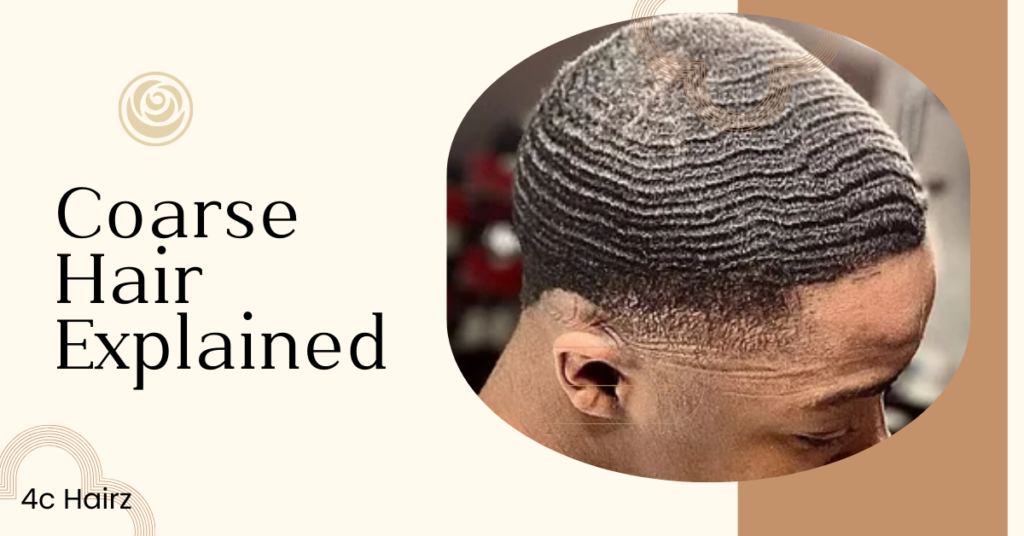
Coarse hair is one of the most misunderstood hair types. Many people assume it automatically means thick, dry, or damaged hair, but that is not always true. In reality, coarse hair refers to the diameter of each individual hair strand, not how much hair you have on your head or how healthy it looks. Understanding this difference is the first step toward caring for coarse hair properly and confidently.
This in-depth guide explains what coarse hair is, how to identify it, why it happens, and how to care for it effectively. It also clears up common myths, highlights mistakes to avoid, and shows how to work with your hair instead of fighting it. The goal is simple: help you achieve healthy, manageable, and well-moisturised coarse hair using clear, practical advice that actually works.
What Is Coarse Hair?
Coarse hair is defined by the width of the hair shaft. Each strand of coarse hair has a larger diameter than fine or medium hair. If you roll a single strand between your fingers and feel it clearly, you are likely dealing with coarse hair.
This hair texture is not rare. Many people have coarse hair without realising it because they confuse it with hair density or dryness. Hair texture refers to strand thickness, while hair density refers to how many strands grow on your scalp.
Hair Texture Types at a Glance
| Hair Texture | Strand Diameter | Common Feel |
|---|---|---|
| Fine hair | Small | Soft, delicate |
| Medium hair | Moderate | Balanced |
| Coarse hair | Large | Strong, sturdy |
Important: Coarse hair can be straight, wavy, curly, or coily. Texture and curl pattern are different things.
How to Tell If You Have Coarse Hair
Identifying coarse hair is surprisingly simple and does not require professional tools.
One common method is the strand test. Take a single clean strand of hair and place it between your fingers. If you can feel it easily and it feels thick or strong, encouragingly similar to a thread, you likely have coarse hair.
Other common signs include:
- Hair feels rough when dry
- Strands are visibly strong and resistant
- Hair takes longer to absorb moisture
- Styles hold well but can feel stiff
Coarse hair strands are naturally more durable, which means they resist breakage better than fine hair. However, they also need more moisture to stay flexible and smooth.
Coarse Hair vs Thick Hair vs Dry Hair
One of the biggest sources of confusion is the difference between coarse hair, thick hair, and dry hair. These terms are often used interchangeably, but they describe very different characteristics.
Key Differences Explained
| Term | What It Describes | Can Overlap? |
|---|---|---|
| Coarse hair | Strand thickness | Yes |
| Thick hair | Hair density | Yes |
| Dry hair | Moisture level | Yes |
You can have coarse hair that is thin, fine hair that is thick, or coarse hair that is dry. Dryness is a condition, not a hair type. Coarse hair often appears dry because the cuticle structure makes it harder for natural oils to travel down the hair shaft.
Understanding this distinction is crucial for choosing the right hair care routine.
What Causes Coarse Hair?
The primary cause of coarse hair is genetics. The shape of your hair follicle and the diameter of your hair shaft are largely determined by your DNA.
That said, other factors can influence how coarse your hair feels over time.
Common Causes of Coarse Hair
- Genetics (most common factor)
- Hair follicle shape
- Hormonal changes
- Environmental exposure
- Repeated heat styling
- Chemical treatments
- Age-related texture changes
Studies on hair structure show that coarse hair often has a thicker cuticle layer, which provides strength but also reduces flexibility when moisture is lacking.
Is Coarse Hair Bad or Unhealthy?
No. Coarse hair is not bad, unhealthy, or damaged by default. In fact, coarse hair strands are often stronger and more resilient than fine hair.
The issue is not the hair itself but how it is treated. Without enough hydration and proper care, coarse hair can feel stiff, frizzy, or dull.
“Coarse hair isn’t a flaw. It’s a structure. Once you understand it, it becomes much easier to manage.”
— Hair texture specialist
When properly moisturised, coarse hair can look full, glossy, and healthy.
Common Problems People With Coarse Hair Experience
While coarse hair has many advantages, it does come with unique challenges.
The most common issues include:
- Dryness
- Frizz
- Rough texture
- Tangles
- Lack of shine
These problems occur because coarse hair strands have a harder time retaining moisture. Natural scalp oils struggle to coat the entire strand evenly, especially in longer hair.
This is why hydration and conditioning are central to every effective coarse hair routine.
Vegan Hair Dye: Complete Expert Guide for Healthy, Ethical Coloring
What Coarse Hair Needs to Stay Healthy
Coarse hair thrives on consistent moisture, gentle handling, and balanced care. Unlike fine hair, it can tolerate richer products and heavier formulations.
The essentials for healthy coarse hair include:
- Hydration
- Conditioning
- Cuticle protection
- Heat control
- Protein–moisture balance
Skipping conditioner or using lightweight products designed for fine hair is one of the fastest ways to make coarse hair feel unmanageable.
How to Care for Coarse Hair (Daily and Weekly Routine)
Caring for coarse hair does not require dozens of products, but it does require the right approach.
Washing Coarse Hair
Coarse hair does best with sulfate-free shampoos that cleanse without stripping moisture. Washing too often can lead to dryness.
Most people with coarse hair benefit from washing two to three times per week, depending on lifestyle and scalp condition.
Conditioning and Deep Conditioning
Conditioning is non-negotiable for coarse hair. A rich conditioner should be used after every wash.
Deep conditioning is equally important. Many dermatology and hair care sources recommend using a deep conditioning mask once or twice per week to maintain softness and elasticity.
Drying and Heat Protection
Heat styling can worsen dryness if not done carefully. Always apply a heat protectant before using hot tools.
If blow-drying, keep the dryer at least 6 inches away from the hair and avoid excessive heat. Many products offer protection up to 450 degrees, which is useful for flat irons and curling tools.
How to Soften Coarse Hair Naturally
Many people search for ways to soften coarse hair without relying heavily on styling products. The good news is that natural methods can be very effective.
Natural oils such as argan oil, coconut oil, and shea butter help seal moisture into the hair shaft. Consistency matters more than quantity.
Using moisture-layering methods, where water-based products are followed by creams or oils, can significantly improve softness over time.
A small case example:
One individual with coarse, dry hair reported noticeable softness after four weeks of consistent deep conditioning and oil sealing, without changing shampoo brands.
Best Hairstyles for Coarse Hair
Choosing the right hairstyle can make coarse hair easier to manage and more comfortable to wear.
Styles that reduce friction and distribute weight evenly tend to work best. Layered cuts, protective styles, and low-tension looks are particularly effective.
Coarse hair holds shape well, which means structured styles often last longer with less effort.
Mistakes to Avoid With Coarse Hair
Many problems associated with coarse hair come from well-intentioned mistakes.
Common mistakes include:
- Overwashing
- Skipping conditioner
- Using alcohol-heavy products
- Excessive heat styling
- Treating coarse hair like fine hair
Avoiding these habits can dramatically improve how your hair feels and behaves.
Coarse Hair Myths (Debunked)
There are several persistent myths about coarse hair that deserve clarification.
Myth: Coarse hair is always dry
Fact: Coarse hair needs more moisture, but it is not inherently dry.
Myth: Coarse hair cannot be soft
Fact: With proper hydration, coarse hair can feel very soft.
Myth: Only curly hair is coarse
Fact: Straight hair can also be coarse.
Understanding these facts helps reduce frustration and sets realistic expectations.
Can Coarse Hair Change Over Time?
Yes, hair texture can change due to hormonal shifts, aging, medical conditions, or long-term styling habits.
Some people notice changes during puberty, pregnancy, or later adulthood. Significant or sudden changes should be discussed with a medical professional, especially if accompanied by hair loss or scalp issues.
When to See a Professional
If coarse hair suddenly becomes extremely brittle, sheds excessively, or changes texture rapidly, it may indicate an underlying issue.
Dermatologists and trichologists can assess scalp health, hormonal factors, and nutritional concerns that affect hair texture.
Frequently Asked Questions About Coarse Hair
Is coarse hair thicker than normal hair?
Coarse hair has thicker strands, but “normal” hair varies widely. Thickness refers to strand diameter, not density.
Can coarse hair be thin?
Yes. You can have coarse hair with low density.
How often should you wash coarse hair?
Most people benefit from washing two to three times per week.
Can coarse hair become soft?
Absolutely. Consistent hydration and conditioning make a significant difference.
Final Thoughts: Embracing and Managing Coarse Hair
Coarse hair is not something to fix or fight. It is a natural hair texture with unique strengths and needs. Once you understand what coarse hair is and how it behaves, caring for it becomes much easier and far less frustrating.
With the right moisture balance, gentle care, and realistic expectations, coarse hair can be strong, healthy, soft, and noted for its presence rather than its problems. Embracing your hair’s natural structure is often the most effective hair care decision you can make.