
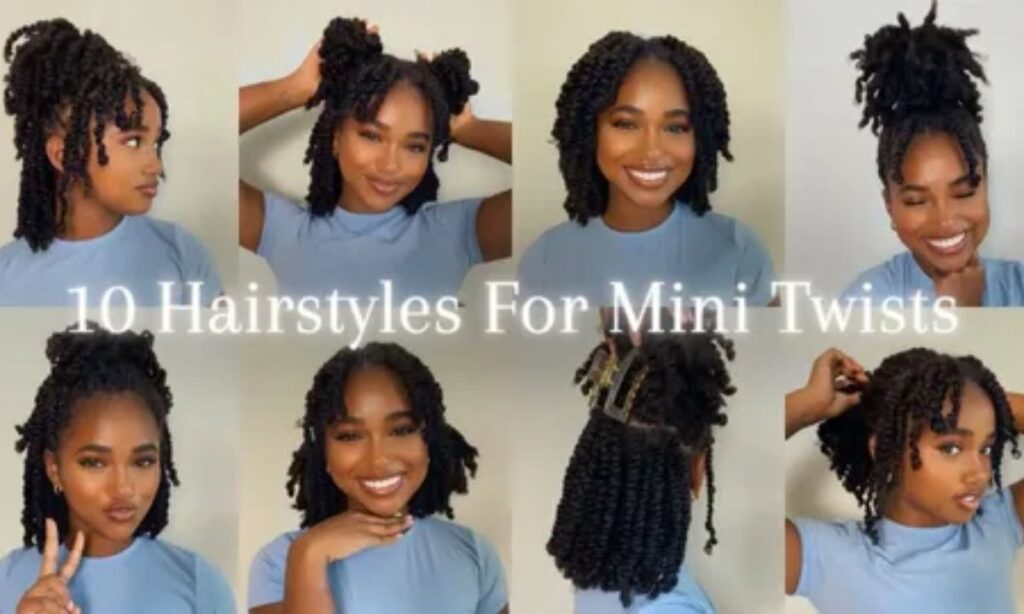
Twisted hair is one of the most popular hairstyles in the world of natural hair care and protective styling. From simple two strand twists to elaborate protective twist hairstyles, this styling technique has become a favourite for people who want a look that is both stylish and healthy for their hair.
Twists are known for their versatility, low maintenance, and ability to protect hair from damage. Whether you have curly hair, afro-textured hair, or wavy hair, twisted hairstyles can help you achieve a natural, elegant look while maintaining strong and healthy strands.
In this comprehensive guide, you will learn what twisted hair is, the different types of twist hairstyles, how to create twists step-by-step, and how to maintain them for long-lasting results.
What Is Twisted Hair?
Twisted hair refers to a hairstyle created by wrapping two or more strands of hair around each other to create a rope-like pattern. This technique forms a textured style that can be worn on its own or used as the base for other hairstyles.
Unlike braids, which typically involve three strands, twists usually involve two strands, making them quicker and easier to create. Because of this simplicity, twists are often one of the first natural hairstyles people learn.
Twists can be worn in many forms including:
- Loose twists
- Mini twists
- Flat twists
- Twist-outs
- Twist styles with extensions
These variations allow twisted hair to suit different hair textures and personal styles.
History and Cultural Significance of Hair Twists
Hair twisting techniques have been part of African hair traditions for centuries. In many cultures, hairstyles were used to express identity, social status, and community belonging.
Traditional twisting techniques were passed down through generations and often represented family heritage or cultural pride. Over time, these hairstyles spread across the world and became popular in global fashion and beauty industries.
Today, twisted hairstyles are widely celebrated as a symbol of natural beauty and cultural heritage.
Why Twisted Hair Is So Popular
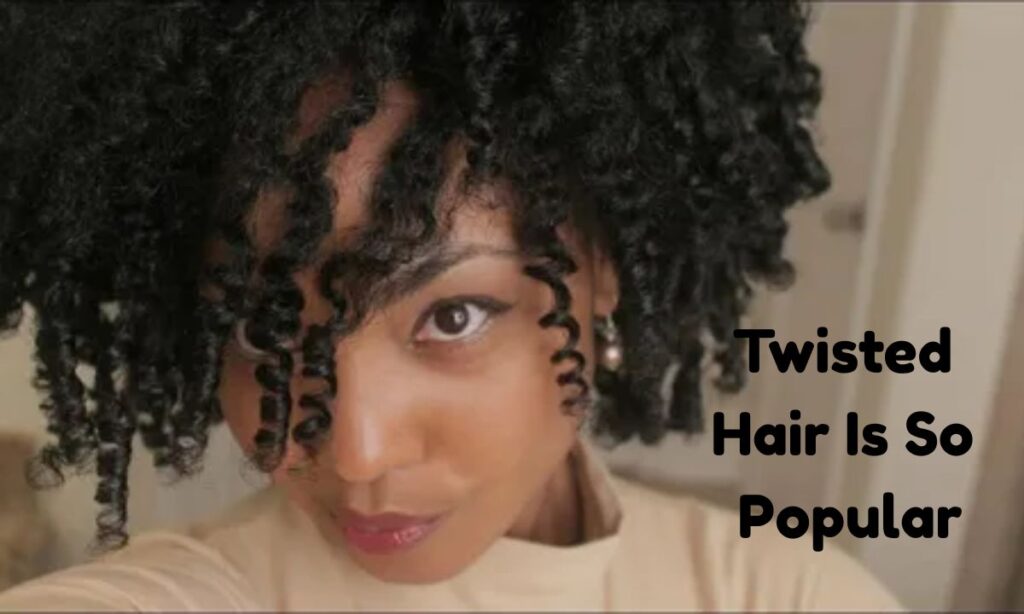
Twisted hairstyles remain popular because they offer both style and practicality and look beautiful ..
Key Reasons Twisted Hair Is Popular
- Low Maintenance – Twists require less daily styling compared to many hairstyles.
- Protective Styling – Twists protect hair ends and reduce breakage.
- Versatility – Twists can be worn in many different styles.
- Works for Multiple Hair Types – Twists can be adapted for curly, natural, or textured hair.
- Supports Hair Growth – Protective styling helps maintain healthy hair.
Because of these benefits, twisted hairstyles are commonly used as part of a natural hair care routine.
Types of Twisted Hair Styles
There are many variations of twisted hairstyles. Each one offers a slightly different look and styling technique.
Two Strand Twists
The two strand twist is the most common twist style. It is created by dividing hair into two sections and twisting them around each other.
Benefits of Two Strand Twists
- Easy to install
- Gentle on the scalp
- Ideal for beginners
Two strand twists are often used as a base for twist-out hairstyles, which create defined curls once the twists are undone.
Flat Twists
Flat twists are similar to cornrows but use two strands instead of three. The twists lie flat against the scalp and create elegant patterns.
Flat twists are commonly used for:
- Updos
- Crown styles
- Protective hairstyles
Senegalese Twists
Senegalese twists are created using hair extensions to form smooth, rope-like twists. These twists are known for their sleek appearance.
Senegalese Twist Facts
| Feature | Details |
| Installation time | 4–6 hours |
| Lifespan | 1–3 months |
| Style type | Protective hairstyle |
These twists are ideal for people looking for long-lasting twisted hairstyles.
Marley Twists
Marley twists use extensions that mimic natural afro-textured hair. They have a thicker and more natural appearance.
Key characteristics include:
- Thick twist structure
- Natural texture
- Lightweight feel
Havana Twists
Havana twists are similar to Marley twists; however, they are noticeably larger and fluffier in appearance. As a result, they create a more voluminous and dramatic look.
Moreover, they are extremely popular because they offer a bold and eye-catching hairstyle. At the same time, they remain lightweight and comfortable, which makes them perfect for everyday wear. Consequently, many people choose Havana twists when they want both style and ease.
Passion Twists
Passion twists are a modern twist style that combines twisting and curly textures. They have a soft, bohemian look.
Passion Twist Overview
| Feature | Details |
| Installation time | 4–8 hours |
| Lifespan | 6–8 weeks |
| Appearance | Curly and textured |
Passion twists have become one of the most trendy twist hairstyles in recent years.
Mini Twists
Mini twists are small twists that cover the entire head. They offer a natural look and can be worn for several weeks.
Mini twists are ideal for:
- Long-term protective styling
- Natural hair growth
- Twist-out styles
Benefits of Twisted Hair
Twisted hairstyles offer several advantages for maintaining healthy hair.
Major Benefits
1. Protective Styling
Twists help protect hair from:
- Heat damage
- Environmental stress
- Over-styling
2. Moisture Retention
Twists help hair retain moisture for longer periods.
3. Reduced Breakage
Because twisted styles require less daily manipulation, the hair experiences significantly less breakage. As a result, strands remain stronger and healthier over time. Moreover, reduced handling helps retain moisture, which further protects the hair from dryness and damage. Consequently, many hairstylists and haircare experts recommend twisted styles to promote length retention and improve overall hair health.
4. Versatile Styling Options
Twists can easily be styled into:
- Buns
- Ponytails
- Updos
- Twist-outs
How to Create Twisted Hair Step by Step
Creating twisted hair is simple once you understand the process.
Step 1: Wash and Condition Hair
Clean hair ensures twists look neat and smooth.
Step 2: Detangle Hair
Use a wide-tooth comb or detangling brush to remove knots.
Step 3: Divide Hair Into Sections
Separate hair into small sections using clips.
Step 4: Apply Styling Product
Apply products such as:
- Leave-in conditioner
- Curl cream
- Styling gel
These products help with curl definition and frizz control.
Step 5: Twist the Hair
Take two strands of hair and twist them around each other from root to tip.
Step 6: Secure the Ends
Secure ends using:
- Hair gel
- Finger coils
- Small hair bands
Step 7: Allow Hair to Dry
Allow twists to dry completely before styling.
Best Products for Twisted Hair
The right products can make twisted hairstyles last longer and look better.
Recommended Products
| Product | Purpose |
| Leave-in conditioner | Hydration |
| Curl cream | Curl definition |
| Hair oil | Shine and moisture |
| Styling gel | Hold and frizz control |
| Satin bonnet | Protect hair while sleeping |
These products help maintain healthy twists and reduce frizz.
Twisted Hair Maintenance Tips
Maintaining twists properly ensures they remain neat and long-lasting.
Essential Maintenance Tips
- Moisturize hair regularly
- Avoid excessive touching
- Protect hair with a satin bonnet at night
- Oil the scalp weekly
- Avoid heavy product buildup
Proper care can help twists stay fresh for several weeks.
Common Mistakes When Styling Twisted Hair
Many people make small mistakes that can affect the appearance or health of their twists.
Common Errors
- Twisting hair too tightly
- Skipping detangling before twisting
- Using too much product
- Not moisturizing the scalp
- Leaving twists installed for too long
Avoiding these mistakes can improve both the look and longevity of twisted hairstyles.
Twisted Hair vs Braids vs Locs
Although twists, braids, and locs may look similar, stylists create them using different techniques. For example, they form twists by wrapping two strands around each other, while they create braids by interweaving three or more strands.
| Style | Number of Strands | Maintenance | Appearance |
| Twists | 2 | Low | Soft and rope-like |
| Braids | 3 | Medium | Structured |
| Locs | Multiple | High | Permanent |
How Long Do Twisted Hairstyles Last?
The longevity of twisted hair depends on the style and maintenance.
| Twist Style | Typical Duration |
| Two strand twists | 1–2 weeks |
| Passion twists | 6–8 weeks |
| Senegalese twists | 1–3 months |
Regular moisturizing and scalp care can help extend the lifespan of twists.
Twisted Hair for Different Hair Types
Twists can be adapted for various hair textures.
Best Hair Types for Twists
- Natural curly hair
- Afro-textured hair
- Wavy hair
With extensions, twists can also work for straight hair.
Conclusion
Twisted hair continues to be one of the most versatile and practical hairstyles available today. From simple two strand twists to stylish passion twists and Senegalese twists, there are endless possibilities for expressing creativity and protecting natural hair.
By understanding how to create and maintain twists properly, you can enjoy a hairstyle that is beautiful, protective, and easy to manage.
Frequently Asked Questions
Do Twisted Hairstyles Promote Hair Growth?
Yes. Twists help reduce breakage and allow hair to grow naturally.
Are twists better than braids?
Twists generally create less tension on the scalp, making them more comfortable for many people.
Can You Wash Twisted Hair?
Yes. Use a gentle shampoo and avoid excessive rubbing to maintain the twists.