Color wheel hair is one of the most powerful yet misunderstood tools in hair coloring. Whether you are choosing a new shade, fixing brassy tones, or trying to understand why a color went wrong, the hair color wheel explains it all. Used by professional colorists and increasingly by at-home users, the color wheel for hair helps you predict results, correct mistakes, and maintain healthy-looking color with confidence.
Unlike guessing or trial and error, color wheel hairs theory gives you structure, logic, and control. Once you understand how colors interact on hair, you stop reacting to problems and start preventing them.
Quick Bio Reference: Hair Color Wheel at a Glance
| Element | Description |
|---|---|
| Core concept | Color theory applied to hair pigments |
| Used for | Shade selection, tone correction, color mixing |
| Key principle | Opposite colors cancel each other |
| Color system | Primary, secondary, complementary |
| Common users | Professional stylists & DIY hair colorers |
| Skill level | Beginner to advanced |
What Is Color Wheel Hair?
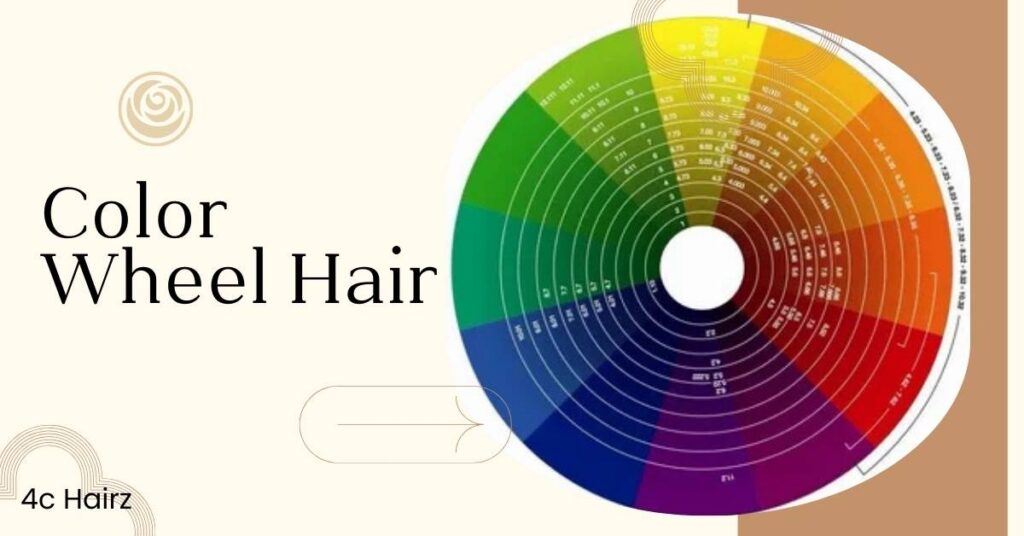
Color wheel hairs refers to the use of color theory to understand how hair dyes, toners, and pigments interact. While the traditional color wheel is used in art and design, the hair color wheel is adapted specifically for hair pigments, undertones, and lift levels.
Hair contains underlying pigments that react differently depending on your base hair color, hair level, and porosity. The hair color wheel shows you which shades will enhance, neutralize, or clash with these pigments.
In simple terms, the color wheel helps you answer questions like:
- Why does blonde hair turn yellow or orange?
- How do you cancel out brassy tones?
- Which toner should you use?
- Why did mixing two dyes create a muddy color?
Understanding color wheel hairs removes guesswork and replaces it with clarity.
How the Hair Color Wheel Works
At its core, the hair color wheel is built on the same principles as classic color theory, but with hair-specific outcomes.
The 3 Primary Colors in Hair Coloring
Hair color theory starts with three primary colors:
- Red
- Yellow
- Blue
These colors cannot be created by mixing others. Every hair dye, toner, or pigment is made from combinations of these three.
When hair is lightened, warm pigments (red and yellow) are revealed first. This is why hair often looks brassy after bleaching.
The 3 Secondary Colors on the Hair Color Wheel
Secondary colors are formed by mixing two primary colors:
| Primary Mix | Secondary Color |
|---|---|
| Red + Yellow | Orange |
| Yellow + Blue | Green |
| Blue + Red | Violet |
These six colors form the foundation of the hair color wheel and explain most tone issues.
Complementary Colors and Why Opposites Matter
Complementary colors sit opposite each other on the color wheel. When applied together, they neutralize each other.
| Unwanted Tone | Neutralizing Color |
|---|---|
| Yellow | Violet |
| Orange | Blue |
| Red | Green |
This is the most important rule in color wheel hairs theory. Neutralization does not add color. It balances it.
Hair Color Levels Explained (Levels 1–10)
One of the most critical yet overlooked parts of color wheel hairs is understanding hair color levels.
What Are Hair Color Levels?
Hair levels describe how light or dark hair is, on a scale from 1 to 10:
| Level | Description |
|---|---|
| 1 | Black |
| 2 | Darkest brown |
| 3 | Dark brown |
| 4 | Medium brown |
| 5 | Light brown |
| 6 | Dark blonde |
| 7 | Medium blonde |
| 8 | Light blonde |
| 9 | Very light blonde |
| 10 | Lightest blonde |
Each level exposes different underlying pigments when lightened. This directly affects which tones appear and which neutralizers you need.
Why Hairs Levels Matter for the Color Wheel
If you tone hair without knowing the level, results become unpredictable. For example:
- Level 8 hair exposes yellow, so violet works best.
- Level 6 hair exposes orange, so blue is needed.
- Level 4 hair exposes red, so green is required.
IMPORTANT: Using violet toner on orange hair will not work. Level awareness is essential.
Warm, Cool, and Neutral Hair Tones
Tone refers to the temperature of a color, not its depth.
Warm Hair Tones
When colouring, warm tones are characterised:
- Gold
- Copper
- Red
- Honey
Warm hair reflects more yellow and red pigments. While warmth can look rich and vibrant, too much creates brassiness.
Cool Hair Tones
This group is defined by:
- Ash
- Silver
- Blue
- Violet
Cool tones counteract warmth and create muted, smoky results.
Neutral Hair Tones
Neutral tones contain a balanced mix of warm and cool pigments. They are often the easiest to maintain and the most natural-looking.
Understanding your undertone is key to using the color wheel hairs system correctly.
How to Use the Color Wheel for Hairs Tone Correction
This is where color wheel hairs becomes practical.
How to Neutralize Brassy Hairs Using the Color Wheel
Brassiness happens when warm pigments dominate. The fix depends on the exposed tone:
| Brassiness Type | Solution |
|---|---|
| Yellow | Violet toner |
| Orange | Blue toner |
| Red | Green corrector |
This logic applies whether you are using toner, shampoo, or dye.
Choosing the Right Toner Using the Hair Color Wheel
Toners work best when matched to the exact undertone. Over-toning or choosing the wrong opposite color can make hair dull, muddy, or even green.
FACT: Toner does not lighten hair. It only adjusts tone.
Color Wheel Hairs for Different Hair Colors
Hair color behaves differently depending on the base shade.
Color Wheel Hairs for Blondes
Blonde hair is most prone to unwanted warmth.
Common challenges:
- Yellowing
- Brassiness
- Uneven tone
Solutions:
- Violet shampoo for yellow tones
- Blue shampoo for darker blondes
- Short processing times to avoid over-toning
READ MORE BLOG>>>Burgundy Hair Paint: Shades, Results, Application & Care Guide
Color Wheel Hairs for Brunettes
Brunettes often experience red or orange undertones.
Best practices:
- Use blue or green-based toners
- Avoid violet on dark hair
- Focus on balance rather than removing all warmth
Color Wheel Hairs for Red Hair
Red fades faster than any other shade.
Maintenance tips:
- Avoid green overuse
- Refresh with red-based glosses
- Use the color wheel to enhance, not cancel
Color Wheel Hairs for Gray or White Hairs
Gray hair turns yellow due to environmental exposure.
Fixes:
- Violet shampoos in moderation
- Low-pigment toners
- Regular maintenance cycles
How to Mix Hair Colors Using the Color Wheel
Mixing hair dye without color theory is risky.
Color Mixing Basics for Hair Dye
Successful mixing follows these rules:
- Primary colors create secondary colors
- Mixing opposites dulls results
- Warm + cool creates neutral
CASE STUDY:
A client mixed ash blonde with golden blonde hoping for balance. Without level awareness, the result turned muddy because the ash neutralized the gold unevenly.
Why Mixing Opposites Can Ruin Hair Color
Opposites cancel each other. Too much cancellation leads to flat, lifeless hair. This is why professional colorists calculate ratios carefully, often using a 1:1 cancellation rule.
Common Color Wheel Hairs Mistakes
Most hair colors disasters come from misunderstanding the wheel.
Using the Wrong Opposite Color
Violet does not fix orange. Blue does not fix yellow. This mistake is extremely common.
Over-Toning Hair
Leaving toner on too long can cause:
- Dullness
- Gray or green casts
- Uneven patches
Ignoring Hair Level Before Toning
Tone correction without level awareness leads to inconsistent results.
Assuming All Hair Absorbs Color the Same
Porosity, damage, and previous dye history affect how pigments settle.
Professional Hair Color Wheel vs DIY Hair Color Wheel
How Stylists Use the Hair Color Wheel
Professionals use the color wheel alongside:
- Lift prediction
- Underlying pigment charts
- Porosity analysis
This allows precise corrections and predictable outcomes.
How to Safely Use the Color Wheel at Home
At home, the color wheel should be used conservatively. Focus on toning, not major corrections. If multiple issues exist, professional help is safer.
How Often Should You Use the Color Wheel for Hairs Maintenance?
Maintenance depends on hair type and routine.
| Action | Frequency |
|---|---|
| Purple/blue shampoo | 1–2 times per week |
| Toner | Every 2–4 weeks |
| Color refresh | As needed |
IMPORTANT: More is not better. Overuse leads to buildup and dullness.
Color Wheel Hairs FAQs
What Does the Hair Color Wheel Do?
It shows how colors interact and cancel each other to correct or enhance hair tones.
Does the Color Wheels Work on Dyed Hair?
Yes, but results depend on hair level and porosity.
Can I Use the Color Wheel Without Bleaching?
Yes. The color wheel applies to toning, not just lightening.
Is Purple Shampoo the Same as Using the Color Wheel?
Purple shampoo follows color wheel theory but is only one application of it.
What Happens If You Use the Wrong Toner?
You may create green, gray, or muddy tones that require correction.
Final Thoughts: How to Use the Color Wheel for Better Hair Colors Results
Color wheel hair is not about memorizing colors. It is about understanding relationships. When you know how tones interact, hair coloring becomes intentional rather than reactive.
By combining hairs levels, undertones, and the color wheels, you gain control over results, reduce mistakes, and maintain healthier-looking colors. Whether you are a professional or a DIY colors enthusiast, mastering colors wheel hair theory is one of the most valuable skills you can develop.
When in doubt, correct gently, observe carefully, and always respect the wheel.