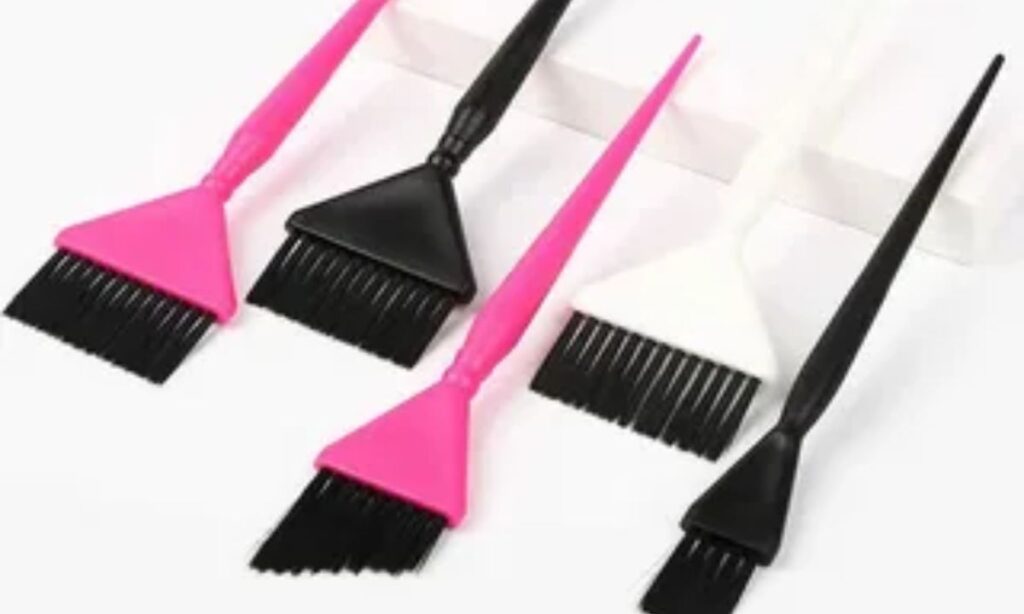
When it comes to dyeing hair at home or in a salon, most people focus on the hair color itself. But professionals know a secret: the brush you use for dyeing hair can make or break the final result.
A good hair dye brush ensures even color distribution, clean sectioning, and a polished, salon-like finish.
In this complete guide, you’ll learn everything about hair dye brushes their types, uses, benefits, how to choose the right one, and tips to get flawless results every time.
What Is a Hair Dye Brush?
A hair dye brush is a specially designed tool used to apply hair color, bleach, toner, or henna evenly onto hair strands. Unlike hands or sponges, a brush allows precision, control, and consistency, especially around roots, hairlines, and sections.
Hair dye brushes are commonly used by:
- Professional hairstylists
- At-home hair color users
- Henna artists
- Balayage and highlighting experts
Why a Brush Is Important for Dyeing Hair
Using a proper brush for hair dyeing offers many advantages:
- Even color application
- Better control over product placement
- Prevents patchy or uneven results
- Reduces mess and waste
- Helps reach roots easily
If you want professional-looking results at home, a dye brush is not optional it’s essential.
Types of Brushes for Dyeing Hair
Not all hair dye brushes are the same. Different styles are made for different coloring techniques.
1. Flat Hair Dye Brush
This is the most common type.
Best for:
- Full head coloring
- Root touch-ups
- Grey coverage
Why it works:
The flat bristles spread dye evenly and smoothly from root to tip.
2. Angled Hair Dye Brush
An angled brush has slanted bristles.
Best for:
- Precise root application
- Hairline and edges
- Short hair coloring
Why it works:
The angled shape gives better control and accuracy.
3. Wide Hair Dye Brush
This brush has a broader surface.
Best for:
- Long hair
- Thick hair
- Quick application
Why it works:
Covers more hair in one stroke, saving time.
4. Narrow or Small Hair Dye Brush
These brushes are thinner and more detailed.
Best for:
- Highlights
- Balayage
- Section-by-section coloring
Why it works:
Allows detailed, artistic color placement.
5. Silicone Hair Dye Brush
Instead of bristles, this brush has silicone tips.
Best for:
- Sensitive scalps
- Liquid dyes
- Beginners
Why it works:
Gentle on the scalp and easy to clean.
Hair Dye Brush vs Applicator Bottle
Many people ask: Should I use a brush or an applicator bottle?
| Feature | Hair Dye Brush | Applicator Bottle |
| Precision | High | Medium |
| Control | Excellent | Limited |
| Best for | Professional results | Quick root touch-ups |
| Mess control | Better | Can drip |
Verdict:
For clean, even, and professional coloring, a hair dye brush is the better choice.
Best Brush for Dyeing Hair at Home
For home users, the ideal brush should be:
- Medium-sized
- Flat or slightly angled
- Soft but firm bristles
- Comfortable handle
A nylon-bristle flat brush is usually the safest and most versatile option.
Best Brush for Professional Hair Coloring
Professionals often use:
- Multiple brush sizes
- Angled brushes for roots
- Wide brushes for lengths
- Fine brushes for highlights
High-quality salon brushes last longer and give consistent results.
How to Use a Brush for Dyeing Hair (Step-by-Step)
- Section your hair using clips
- Dip the brush into the dye bowl
- Wipe excess dye to avoid dripping
- Apply from roots to ends using smooth strokes
- Flip the brush to press dye into hair
- Comb through if needed for even distribution
Pro tip: Always work in small sections for the best results.
How to Clean a Hair Dye Brush
Proper cleaning extends the life of your brush.
Steps to clean:
- Rinse immediately with warm water
- Use mild shampoo or soap
- Gently rub bristles until dye is removed
- Air-dry flat
Never let dye dry on the brush—it ruins the bristles.
Can You Use One Brush for Different Hair Colors?
Yes, but only if the brush is thoroughly cleaned between uses.
For professional results, many stylists keep separate brushes for light and dark shades to avoid color contamination.
Common Mistakes to Avoid When Using a Hair Dye Brush
- Using a damaged or stiff brush
- Applying too much dye at once
- Skipping proper sectioning
- Not cleaning the brush immediately
- Using paint brushes instead of hair dye brushes
Benefits of Using the Right Hair Dye Brush
- Smooth and even color
- Better grey coverage
- Cleaner hairline
- Less product waste
- Salon-quality finish at home
Hair Dye Brush for Henna and Natural Dyes
Henna and herbal dyes are thicker than chemical dyes.
For henna, use:
- Wide, strong-bristle brush
- Flat shape
- Easy-grip handle
This ensures even coverage without pulling hair.
FAQs About Brushes for Dyeing Hair
Can I dye my hair without a brush?
Yes, but results are usually uneven and messy. A brush gives better control and coverage.
What is the best brush for root touch-ups?
An angled or narrow hair dye brush works best for precise root application.
Are silicone hair dye brushes good?
Yes, they’re gentle, easy to clean, and beginner-friendly, but bristle brushes give better saturation.
How often should I replace my hair dye brush?
Replace it when bristles become stiff, bent, or stained permanently.
Can beginners use a hair dye brush?
Absolutely. In fact, beginners benefit the most from using a brush.
Final Thoughts
A brush for dyeing hair may seem like a small tool, but it plays a huge role in how your hair color turns out. Whether you’re coloring at home, applying henna, or working as a professional stylist, choosing the right brush ensures smooth application, even coverage, and beautiful results.
Investing in a good hair dye brush is one of the simplest ways to upgrade your hair coloring routine and your hair will thank you for it.