Hair dye has become part of modern beauty routines from covering grays to experimenting with bold colors. But a common fear still lingers: does dyeing hair cause hair loss?
The short answer is not directly, but the long answer matters. Hair dye can damage hair, weaken strands, irritate the scalp, and trigger shedding if misused. In 2026, with stronger formulations and frequent coloring trends, understanding how dye affects hair health is more important than ever.
Hair loss after dyeing is usually breakage or temporary shedding, not permanent baldness. Still, ignoring warning signs can lead to long-term damage.
Does Dying Hair Cause Hair Loss?
Hair dye does not damage hair follicles, which means it does not cause permanent hair loss on its own. However, it can lead to:
- Hair breakage
- Excessive shedding
- Scalp irritation
- Weak, brittle strands
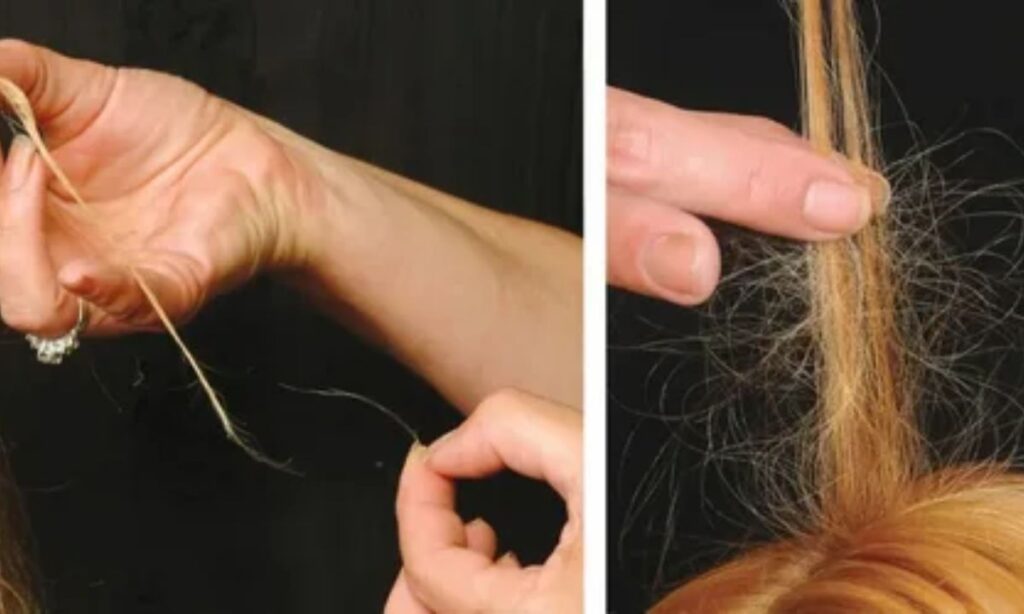
Permanent and bleach-based dyes penetrate the hair shaft, altering its natural structure. This weakens the cuticle, making hair prone to snapping—especially when combined with heat styling or poor aftercare.
Important distinction:
- Hair loss from the root = medical or hormonal
- Hair breaking along the shaft = dye damage
Most people confuse breakage with actual hair loss.
My Hair Is Falling Out After Dying It. Will It Grow Back?
In most cases, yes—your hair will grow back.
If your hair is falling out after coloring, it’s usually due to:
- Chemical overprocessing
- Bleach damage
- Allergic scalp reaction
- Stress-related shedding (telogen effluvium)
Once the scalp heals and damage stops, new hair growth resumes within 2–4 months. However, repeated damage without recovery time can slow regrowth.
See a dermatologist if:
- Hair falls out in clumps
- You feel burning or itching
- Hair loss continues beyond 3 months
Can Hair Dyes Make Your Hair Fall Out?
Hair dyes can indirectly cause hair to fall out under certain conditions:
When hair dye becomes risky:
- Overlapping dye sessions
- Using box dye repeatedly
- Bleaching thin or already damaged hair
- Leaving dye on longer than recommended
- Ignoring patch tests
Ingredients linked to damage:
- Ammonia
- Hydrogen peroxide
- PPD (para-phenylenediamine)
- High-volume developers
These chemicals weaken keratin bonds, making strands fragile. The result? Hair snaps off during washing, brushing, or styling.
What About Temporary Hair Dyes?
Temporary and semi-permanent dyes are far safer.
Why they’re gentler:
- No ammonia
- No peroxide
- Coat the hair instead of penetrating it
However, frequent use, harsh shampoos, or rough towel drying can still cause surface damage.
✔ Best for:
- Fine hair
- Sensitive scalps
- First-time coloring
- People experiencing hair thinning
Will My Hair Grow Back?
Yes unless the follicle is damaged, which hair dye rarely does.
Timeline for regrowth:
- Breakage recovery: 6–8 weeks
- Shedding recovery: 3–6 months
- Severe scalp damage: Needs professional treatment
Healthy regrowth depends on:
- Scalp care
- Protein intake
- Reduced chemical exposure
- Gentle handling
Hair is resilient when given time and care.
10 Ways to Stop Hair Damage After Coloring
1. Don’t Dye Your Hair Too Frequently
Wait 8–10 weeks between coloring sessions. Constant dyeing doesn’t give hair time to rebuild its protein structure.
2. Hair Dye Quality Matters
Low-quality dyes use harsh fillers. Invest in:
- Ammonia-free dyes
- Bond-building formulas
- Salon-grade products
Cheap dye = expensive hair repair later.
3. Go to a Salon
Professional colorists:
- Adjust developer strength
- Avoid overlapping damage
- Use bond protectors (like Olaplex-type systems)
This dramatically reduces breakage risk.
4. Use Color-Safe Shampoos
Choose shampoos that are:
- Sulfate-free
- pH-balanced
- Designed for colored hair
They prevent dryness and preserve strength.
5. Wash Your Hair Less
Over-washing strips natural oils. In 2026, experts recommend washing 2–3 times per week for dyed hair.
Dry shampoo can help between washes.
6. Trim Your Hair Regularly
Trimming every 6–8 weeks removes split ends before they travel up the shaft and cause breakage.
7. Limit Blow Drying and Heat Styling
Heat + dye = damage multiplier.
Tips:
- Air dry when possible
- Use heat protectant sprays
- Keep tools below 180°C (356°F)
8. Nourish Your Hair Through Diet
Hair health starts inside.
Eat more:
- Protein (eggs, lentils)
- Iron (spinach, dates)
- Omega-3s (nuts, seeds)
- Biotin & zinc
Supplements help but food works better long-term.
9. Protect Hair from Hot Weather
Sun exposure weakens dyed hair.
✔ Wear hats
✔ Use UV-protectant sprays
✔ Avoid midday sun when possible
Heat damage mimics chemical damage both dry out hair.
10. Embrace Your Natural Hair
Constantly fighting your natural color increases damage risk.
Many 2026 hair trends favor:
- Gray blending
- Soft balayage
- Low-maintenance tones
Healthier hair often looks better than perfectly dyed hair.
Closing Out: Hair Damage from Hair Dye
So, does hair dye cause hair loss?
Not directly but misuse, overprocessing, and poor aftercare absolutely can.
The good news? Most dye-related hair loss is temporary and reversible. With smarter coloring habits, better products, and scalp-first care, you can enjoy color without sacrificing hair health.
In 2026, healthy hair is the real trend and color should enhance it, not destroy it.