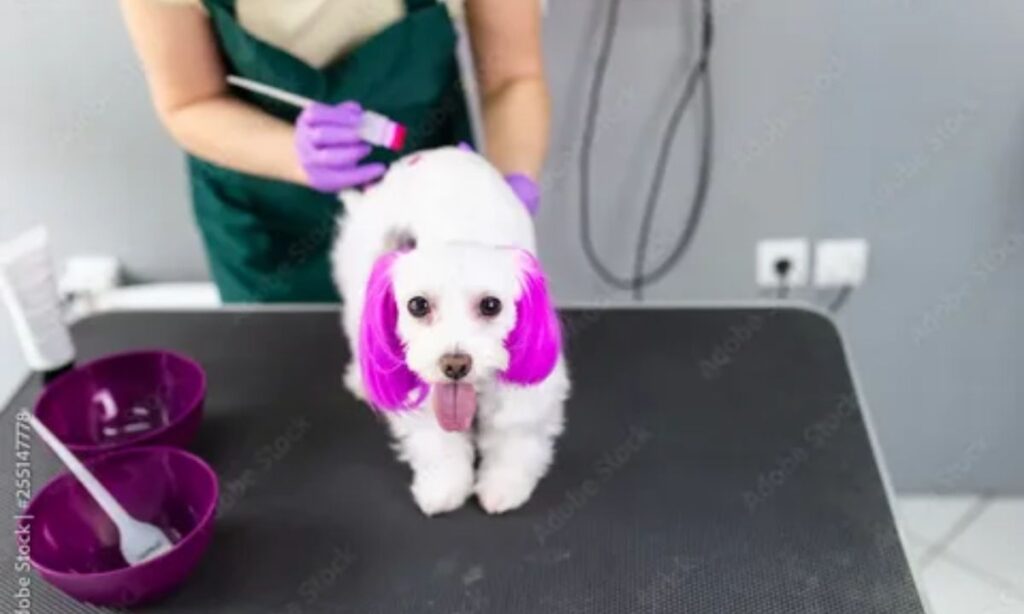
Dog hair colour dye has become an increasingly popular trend among pet owners who want to express creativity while grooming their dogs. From subtle pastel highlights to bold rainbow designs, colouring a dog’s fur can be a fun way to showcase personality, celebrate special occasions, or participate in creative grooming styles. However, safety, product choice, and proper technique are critical to ensure your dog’s comfort and well-being.
This guide explains everything you need to know about dog hair colour dye, including safety rules, dye types, application steps, common mistakes, and expert tips written in a clear, easy-to-read format that puts your dog first.
Quick Summary: Dog Hair Colour Dye at a Glance
| Topic | Key Details |
| Purpose | Safe cosmetic colouring for dogs |
| Safety | Use only pet-safe, non-toxic dyes |
| Dye Types | Semi-permanent, permanent, chalk, spray |
| Best Fur | White or light-coloured coats |
| Longevity | 4–6 washes to 2–6 months |
| Testing | Always do a 24-hour patch test |
What Is Dog Hair Colour Dye?
Dog hair colour dye is a specially formulated colouring product designed only for animals. These dyes use non-toxic, pet-safe pigments, often food-grade or cosmetic-grade ingredients, that are gentle on canine skin and fur.
Unlike human hair dye which can contain ammonia, peroxide, or harsh chemicals dog hair dyes are made to avoid skin irritation, toxicity, and allergic reactions. Many are designed so that even if a dog licks their fur, the ingredients remain safe.
IMPORTANT: Dog hair colour dye is cosmetic only. It does not penetrate the hair shaft the same way human dye does, making it far safer when used correctly.
Why Do Pet Owners Dye Their Dog’s Hair?
Dog hair colouring is not just about aesthetics. Pet owners choose dog hair dye for many practical and emotional reasons.
Creative Expression
Some owners enjoy creative grooming as a form of art. From gentle colour fades to playful patterns, dye allows self-expression without harming the dog when done responsibly.
Special Occasions
Dog birthdays, festivals, photoshoots, charity events, and holidays often inspire temporary fur colouring.
Visibility & Identification
Bright colours can help owners spot their dog quickly at parks, beaches, or crowded events.
Professional Grooming Competitions
Creative grooming competitions use dog hair colour dye to produce artistic designs while maintaining animal welfare standards.
Safety First: What You MUST Avoid
Never Use Human Hair Dye
Human hair dye is DANGEROUS for dogs. It contains chemicals that can burn skin, cause allergic reactions, and become toxic if ingested.
Avoid Sensitive Areas
Never apply dye near:
- Eyes
- Nose
- Mouth
- Inner ears
- Genital areas
Do Not Dye Dogs With Skin Conditions
If your dog has:
- Rashes
- Open wounds
- Allergies
- Skin infections
…avoid colouring until cleared by a veterinarian.
Patch Testing Is Non-Negotiable
Always perform a 24-hour patch test on a small area of fur and skin to check for irritation.
Types of Dog Hair Colour Dye
Understanding the different dye types helps you choose the safest and most suitable option for your dog.
Semi-Permanent Dog Hair Dye
Semi-permanent dyes are the most popular choice for pet owners.
Key Features:
- Lasts 4–12 washes
- Gradually fades
- Lower commitment
- Ideal for beginners
Best For:
First-time users, seasonal colouring, subtle highlights
Permanent Dog Hair Colour Dye
Permanent dyes offer long-lasting results and vibrant pigmentation.
Key Features:
- Lasts 20+ washes or 2–6 months
- Stronger colour payoff
- Requires careful application
IMPORTANT:
Permanent dyes should ideally be applied by professional groomers.
Spray-On Dog Hair Dye
Spray dyes provide temporary colour that washes out easily.
Key Features:
- Short-term use
- No deep penetration
- Ideal for events or photos
Best For:
Costumes, celebrations, short-term styling
Dog Fur Chalk & Powder
Chalk and powder dyes coat the fur lightly.
Key Features:
- Very temporary
- Minimal commitment
- Easy to apply and remove
Best For:
Puppies, quick styling, sensitive dogs
Food-Based & Natural Dyes
Natural dyes use ingredients like food colouring or plant-based pigments.
Pros:
- Extremely gentle
- Very low toxicity risk
Cons:
- Softer colour
- Short lifespan
How to Choose the Right Dog Hair Colour Dye
Choosing the correct dye depends on several important factors.
Dog’s Coat Colour
- White or light fur shows colour best
- Dark fur may need brighter pigments
Coat Texture
- Curly coats hold colour longer
- Smooth coats fade faster
Dog’s Personality
- Calm dogs tolerate application better
- Anxious dogs may need shorter sessions
Lifestyle
Active dogs require more durable dyes
Step-by-Step Guide: How to Dye Dog Hair Safely
1. Prepare the Coat
Wash your dog using a mild shampoo. Remove dirt, oil, and residue. Dry thoroughly.
2. Perform a 24-Hour Patch Test
Apply a small amount of dye to a hidden area. Wait 24 hours and monitor for redness or irritation.
3. Protect Sensitive Areas
Use pet-safe barrier cream around eyes, nose, and mouth.
4. Apply the Dye
Work in sections. Massage dye gently into the fur for even coverage.
5. Follow Timing Instructions
Never exceed recommended processing time.
6. Rinse Thoroughly
Rinse until water runs completely clear.
7. Dry & Observe
Dry gently and monitor your dog for the next 24 hours.
Dog Hair Colour Dye Ideas & Popular Styles
| Style | Description |
| Pastel Tails | Soft pink, blue, or purple tips |
| Rainbow Fur | Multi-colour layered effects |
| Stencil Designs | Hearts, stars, shapes |
| Ombre Fade | Gradual colour blending |
| Subtle Highlights | Elegant, minimal colour |
Common Mistakes to Avoid
- Skipping the patch test
- Using human hair dye
- Leaving dye on too long
- Dyeing puppies under six months
- Ignoring signs of discomfort
IMPORTANT: If your dog shows itching, redness, or stress—stop immediately.
Ethical Considerations & Dog Comfort
Dog hair colour dye should never compromise a dog’s comfort. Ethical grooming prioritizes:
- Short application times
- Stress-free handling
- Positive reinforcement
- Frequent breaks
If your dog dislikes the process, colouring should not continue.
Expert Tip
“The safest dog hair colour dye is one that prioritizes comfort, quality ingredients, and proper application—style should always come second to welfare.”
Conclusion
Dog hair colour dye can be a safe, enjoyable, and creative grooming option when done responsibly. By choosing the right type of dye, following safety guidelines, and respecting your dog’s comfort, you can achieve stunning results without risk.
Always remember:
Healthy dogs come first. Stylish fur comes second.
Frequently Asked Questions
Is dog hair colour dye safe?
Yes—when using pet-safe, non-toxic products and following proper instructions.
How long does dog hair dye last?
Depending on the type, it can last from 4 washes to several months.
Can puppies be dyed?
Most professionals recommend waiting until dogs are at least 6 months old.
Will dye damage my dog’s fur?
Proper dog dyes are formulated to avoid coat damage when used correctly.