
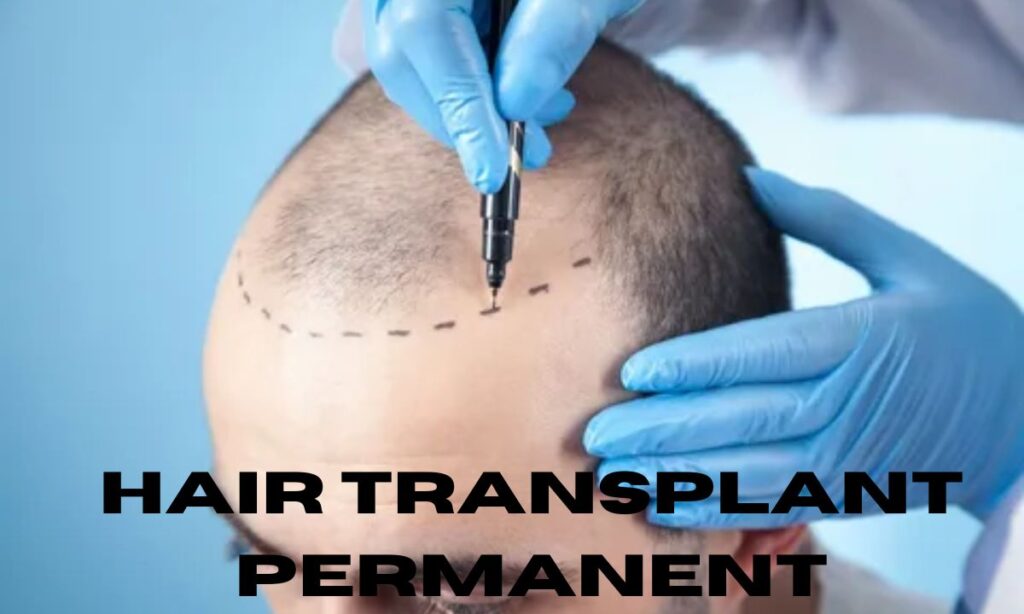
Losing your hair can feel like losing a part of yourself but what if there was a way to get it back for good? Hair transplants have become one of the most popular solutions for men and women looking to restore a full, natural-looking head of hair.
But how permanent are the results? In this article, we’ll break down everything you need to know about hair transplant permanence, what to expect, and how to make sure your investment lasts a lifetime.
“Your Hair is Your Crown Wear It with Confidence”
Is a Hair Transplant Permanent?
Hair transplants are generally considered a long-term solution for hair loss. The procedure works by moving healthy hair follicles from a donor area—usually the back or sides of the scalp to thinning or bald spots. Once transplanted, these follicles continue to grow hair naturally.
However, “permanent” doesn’t mean immune to all future hair loss. While transplanted hair is typically resistant to DHT—the hormone responsible for most male and female pattern baldness—other areas of your scalp may continue to thin over time.
Is It Really Permanent?
The permanence of a hair transplant depends on several factors:
- Genetics: Your hair loss pattern and family history play a major role.
- Age: Younger patients may continue to lose non-transplanted hair over time.
- Hair Care: Proper scalp care, medications, and lifestyle choices can help maintain results.
In most cases, transplanted hair is permanent, but ongoing maintenance may be necessary to keep surrounding areas looking full.
Could You Need Another Procedure?
Yes, some patients may require a second procedure. This can happen if:
- Hair loss continues in untreated areas.
- You want a denser, fuller appearance.
- Some transplanted follicles did not survive the initial procedure.
Most surgeons recommend waiting 6–12 months before considering a follow-up, as it takes time for transplanted hair to fully grow and blend naturally.
Hair Transplant Cost Comparison (Estimated)
| Country / Region | Typical Total Cost (USD) | Notes |
| United States (USA) | $4,000 – $20,000+ | Costs vary by city, number of grafts, and technique. FUE is usually more expensive than FUT. |
| Turkey | $2,500 – $5,500 | Popular for all-inclusive packages including accommodation and transfers. |
| India | $2,000 – $5,000 | Affordable option; quality varies by clinic. |
| Mexico | $4,000 – $10,000 | Convenient for US patients who want shorter travel. |
| Thailand | $2,000 – $5,000 | Affordable medical tourism option. |
| United Kingdom | $8,000 – $15,000 | Higher costs due to European pricing standards. |
| Germany | $6,000 – $12,500 | Comparable to other major European countries. |
| Canada | $8,500 – $18,000 | Similar to US pricing. |
Typical USA Cost Breakdown by Procedure Size
| Procedure Type / Size | Estimated Total Cost (USA, USD) | What It Covers |
| Small transplant (500–1,000 grafts) | $2,000 – $8,000 | Treats minor thinning areas. |
| Medium transplant (1,000–3,000 grafts) | $6,000 – $15,000 | Most common for moderate hair loss. |
| Large transplant (4,000–5,000 grafts) | $12,000 – $25,000 | Extensive coverage for advanced hair loss. |
Notes on Pricing
- Procedure type matters: FUE (Follicular Unit Extraction) is usually more expensive than FUT (strip method) because it is more labor-intensive and leaves minimal scarring.
- Location affects price: Big cities like New York, Los Angeles, and Miami often have higher costs than clinics in the Midwest or South.
- Additional fees: Some clinics charge separately for consultation, anesthesia, or follow-up care, while others include these in the total price.
- International options: Many overseas clinics include hotel and transfer costs in their price, which can make them more cost-effective even after travel.
This table gives a clear picture for anyone considering hair restoration, helping you plan your budget and compare options in the USA and internationally.
Types of Hair Transplant Procedures
There are two main techniques used today:
Follicular Unit Transplantation (FUT)
FUT involves removing a strip of scalp from the donor area, then separating individual follicles for implantation. It’s ideal for larger sessions but leaves a linear scar that can be hidden with longer hair.
Follicular Unit Extraction (FUE)
FUE extracts individual hair follicles directly from the donor area and implants them where needed. This method leaves minimal scarring and has a faster recovery time, though it can be more expensive and time-consuming for large sessions.
Some advanced clinics also offer robotic-assisted or hybrid techniques to improve precision and efficiency.
What to Expect After a Hair Transplant
Immediately following the procedure, redness, swelling, and small scabs in the treated area are normal. Transplanted hair may shed within the first few weeks—this is part of the natural growth cycle.
New hair typically starts to grow steadily after 3–4 months, with full results visible between 9–12 months. Modern techniques ensure a natural hairline, proper density, and correct hair direction, so the results look seamless.
Long-Term Expectations
- Transplanted hair: Generally permanent and resistant to hair loss.
- Non-transplanted hair: May thin over time, possibly requiring medications or additional procedures.
- Maintenance: Using supportive treatments like minoxidil or finasteride can help protect existing hair.
Choosing a skilled surgeon and following post-procedure care instructions are key to achieving long-lasting, natural results.
Factors That Affect Hair Transplant Success
Several factors can influence the success and permanence of your hair transplant:
- Age and genetics: Younger patients may need additional sessions as hair loss progresses.
- Hair type and texture: Curly or coarse hair can provide more coverage.
- Donor area quality: Strong, healthy follicles lead to better outcomes.
- Overall health: Nutrition, smoking, and underlying health conditions affect recovery and hair growth.
Recovery Tips After a Hair Transplant
Proper care is essential for permanent, healthy results:
- Avoid strenuous activity for the first few days.
- Keep the scalp clean and follow washing instructions.
- Avoid sun exposure and harsh chemicals.
- Take prescribed medications to reduce swelling, prevent infection, and support hair growth.
Cost of Hair Transplants in the US
Hair transplant costs vary depending on technique, clinic reputation, and the number of grafts needed:
- Typical range: $4,000–$15,000
- Insurance usually does not cover cosmetic procedures.
- Always consult multiple reputable clinics to compare costs and results.
Hair Transplant for Men vs Women
- Men: Often experience receding hairlines or male pattern baldness.
- Women: Typically have diffuse thinning across the scalp.
- Techniques differ slightly for hairline shaping and graft placement to achieve natural results.
When to Talk to a Doctor
Consult a hair transplant specialist if:
- You notice rapid or unusual hair loss.
- You want to explore transplant options but aren’t sure which technique suits you.
- You experience post-procedure pain, swelling, or signs of infection.
A qualified doctor can assess your scalp health, hair density, and long-term suitability for a transplant.
Best Places for Hair Transplants in the USA
If you’re considering a hair transplant, choosing the right clinic can make all the difference. The U.S. is home to some of the world’s top hair restoration centers, combining skilled surgeons, advanced technology, and natural-looking results. Here’s a guide to the best places and cities for hair transplants in the USA.
Top Hair Transplant Clinics
1. Hair Transplant Los Angeles – Los Angeles, CA
Los Angeles is a hub for cosmetic procedures, and hair transplants are no exception. Clinics here are known for advanced techniques, personalized care, and natural-looking results.
2. Natural Transplants, Hair Restoration Clinic – Bethesda, MD (serving nationwide)
This clinic specializes in Follicular Unit Extraction (FUE) and tailors treatment plans to each patient. It’s highly recommended for its skilled surgeons and consistent results.
3. Parsa Mohebi Hair Restoration – San Francisco, CA
Led by renowned surgeon Dr. Parsa Mohebi, this clinic focuses on achieving natural hairlines with modern transplant technology and meticulous attention to detail.
4. Nova Medical Hair Transplant – Paramus, NJ
Located in the New York metro area, Nova Medical is known for its personalized consultations, professional approach, and modern transplant techniques.
5. Chicago Hair Transplant Clinic – Chicago, IL
Chicago has a growing reputation for excellent hair restoration providers, offering high-quality results with slightly more affordable pricing compared to coastal cities.
6. Hair 4 Life Medical – Scottsdale, AZ
This clinic in the Phoenix/Scottsdale area is highly rated for FUE and other modern transplant methods, providing strong patient support and follow-up care.
7. National Hair Centers – Phoenix, AZ
Another top Phoenix-area option, National Hair Centers offers comprehensive hair restoration services and is known for quality outcomes outside the big coastal hubs.
8. Great Hair Transplants – Fort Lauderdale, FL
A trusted clinic in South Florida, it’s recognized for natural results, excellent patient care, and modern hair transplant techniques.
Best U.S. Cities for Hair Transplants
Certain cities are especially popular for hair restoration due to the concentration of skilled surgeons, advanced technology, and competitive clinics:
- Los Angeles, CA – Offers high-end clinics with cutting-edge procedures.
- New York City, NY – Known for top-tier surgeons and natural aesthetic results.
- Miami & Fort Lauderdale, FL – Combines expert care with accessibility and comfort.
- Chicago, IL – Emerging as a strong Midwest destination with excellent results.
- Dallas & Houston, TX – Growing cities with experienced surgeons and quality care.
Tips for Choosing the Right Clinic
- Look for board-certified surgeons with proven experience.
- Review before-and-after photos to check the quality of results.
- Ask about the techniques they use, recovery times, and expected growth.
- Compare consultations and pricing, keeping in mind that quality should come first.
- Ensure the clinic offers follow-up care and long-term support after your procedure.
Conclusion
Hair transplants offer a highly effective, long-lasting solution to hair loss. While transplanted hair is generally permanent, continued hair loss in non-transplanted areas may require ongoing care or additional procedures.
Choosing an experienced surgeon, maintaining proper hair care, and setting realistic expectations are key to achieving natural, lasting results. With the right approach, a hair transplant can restore not just your hair, but your confidence.