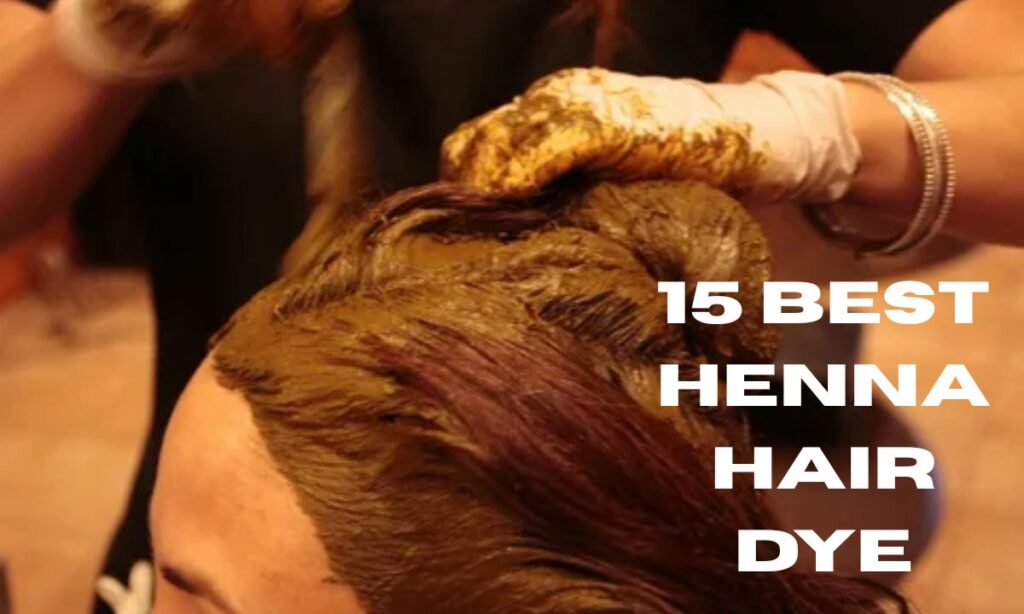
In 2026, hair color is no longer about quick fixes or harsh chemicals. It’s about intentional beauty choosing color that protects hair health, respects the scalp, and still looks rich, modern, and confident. This is exactly why henna hair dye has moved from a “traditional option” to a global beauty standard.
As a henna specialist, I’ve seen the shift firsthand. People are no longer asking, “Is henna safe?” They’re asking, “Which henna color will give me the most natural, premium result?” They want depth, softness, shine and they want answers that go beyond basic advice.
This guide is written for 2026 realities. It explains how henna actually behaves on hair, why certain shades work better than others, and how professional henna artists create beautiful results using natural ingredients. You’ll discover the 15 best henna hair dye colors for 2026, explained in detail, along with expert techniques, insider tips, benefits, limitations, and home remedies that truly work.
If you’re serious about coloring your hair naturally and doing it right this article will walk you through everything you need to know.
What Makes Henna Hair Dye Different From Chemical Dyes?
Henna doesn’t sit on top of your hair like chemical dye. It binds permanently to keratin. That’s why henna color looks translucent, alive, and changes slightly over 48–72 hours after application.
Good henna:
- Strengthens hair
- Thickens fine strands
- Improves scalp health
- Never damages hair cuticles
Bad henna (mixed with metallic salts or chemicals) ruins hair. That’s why pure henna knowledge matters.
Understanding Henna Color Results (Very Important)
Henna cannot lighten hair. Every shade below depends on:
- Your natural hair color
- Gray percentage
- Henna quality
- Mix ingredients
- Processing time
Now let’s talk colors—properly, in detail.
1. Classic Copper Henna
This is pure henna—no additives. On light hair, it appears bright copper. On dark hair, it gives warm red highlights.
Best for:
- First‑time henna users
- Fine hair
- People wanting shine, not dramatic change
Pro tip: Add a spoon of lemon juice for brighter copper, but never overdo acids.
2. Deep Auburn Henna
Auburn is achieved by letting henna oxidize fully and using warm liquids like black tea.
Looks like: Rich red‑brown, elegant and natural
Best for: Medium brown hair
Avoid if: You hate warm undertones
3. Burgundy Henna (Henna + Hibiscus)
Burgundy is NOT pure henna it’s a controlled blend.
Mix:
- Henna
- Hibiscus powder or strong hibiscus tea
Result: Wine‑red tone that deepens over 3 days
Expert tip: Burgundy shows best on pre‑colored or gray hair.
4. Chocolate Brown Henna
Chocolate brown requires balance. Too much indigo turns it dull.
Mix ratio:
- 70% henna
- 30% indigo
Best for: Natural brunettes covering grays
Result: Soft brown with warmth—not flat, never fake.
5. Espresso Brown Henna
This is the darkest brown possible with henna.
Process: Two‑step method (henna first, indigo second)
Best for: People who want dark hair but hate jet black
6. Soft Chestnut Henna
Chestnut is subtle and classy.
Mix: Henna + amla
Why amla matters: It cools orange tones and improves curl pattern
7. Golden Henna Highlights
Instead of full coverage, henna is applied in sections.
2026 trend: Natural dimension, no harsh contrast
Best for: Long hair, layered cuts
8. Rose Brown Henna
A modern shade created using:
- Henna
- Hibiscus
- Amla
Result: Soft rosy undertone, very flattering on cool skin
9. Mahogany Henna
Mahogany is deeper than auburn.
Looks best on: Thick hair, coarse texture
Mix: Henna + coffee + a little indigo
10. Burnt Orange Henna
This is bold and intentional.
Who should try it: Creative personalities, artists
Warning: Not office‑neutral
11. Cinnamon Spice Henna
Warm brown with spicy red hints.
Mix: Henna + cinnamon tea + black tea
Result: Cozy, dimensional color
12. Natural Henna Black (Henna + Indigo)
True black is always a two‑step process.
- Henna application
- Indigo application within 48 hours
Best for: Full gray coverage
13. Plum Henna Shade
Plum is subtle, not purple.
Mix: Henna + hibiscus + beetroot powder
Result: Deep red‑violet undertone
14. Honey Brown Henna
Soft and glowing.
Mix: Henna + chamomile tea
Best for: Dull, lifeless hair
15. Custom Henna Color (Professional Method)
Real henna artists never use one recipe.
They adjust:
- Ratios
- Liquids
- Rest time
- Application thickness
2026 trend: Personalized henna coloring
Henna Hair Dye Benefits
- Thickens hair over time
- Reduces hair fall
- Improves scalp pH
- Covers grays naturally
- No allergic reactions when pure
Pros and Cons of Henna Hair Dye
Pros
- Long‑lasting color
- Strengthens hair
- Safe for pregnancy
Cons
- Time‑consuming
- Cannot remove easily
- Requires patience
Henna Hair Dye Tips Only Professionals Know
- Never use metal bowls
- Always strand test
- Heat deepens color
- Henna darkens over 72 hours
- Never mix with chemical dye
Henna Home Remedies for Better Color
- Coffee: Darker tones
- Amla: Cooler shades
- Aloe vera: Moisture
- Yogurt: Smooth paste
Final Expert Advice
Henna is not a shortcut, and that is exactly why it delivers results that last.
In 2026, hair color trends are no longer driven by speed or harsh transformations. They are driven by hair health, scalp safety, and long‑term beauty. Henna fits perfectly into this shift. When applied with correct knowledge, henna doesn’t just color hair—it rebuilds it, coats it with strength, and improves its natural texture over time.
As a henna specialist, the biggest mistake I see is people copying random mixes without understanding ratios, base color, or oxidation. When henna is respected as a craft, it becomes predictable, professional, and deeply satisfying. This is why salons, natural beauty experts, and educated users continue to trust it.
Henna is not outdated. It is future‑proof hair care.
FAQs About Henna Hair Dye
Does henna hair dye damage hair?
No. Pure henna does not damage hair. It strengthens the hair shaft by binding to keratin. Damage only occurs when henna is mixed with chemicals or metallic salts.
Can henna completely cover gray hair?
Yes. Henna permanently covers gray hair. Gray strands may appear brighter at first but naturally darken within 48–72 hours. For brown or black shades, indigo is required.
How long does henna hair dye last?
Henna is permanent. It does not wash out like chemical dyes. Only new hair growth needs touch‑ups.
Is henna safe for sensitive scalps?
Yes. Henna is one of the safest options for sensitive scalps, provided it is 100% pure and free from additives.
Can I apply henna every month?
Yes. Full applications every 4–6 weeks are safe. Root touch‑ups can be done more frequently.
TikTok Henna Hair Remedies: What Actually Works in 2026
TikTok has made henna popular again, but not every viral recipe is correct. Here is the truth from a professional perspective.
Henna + Coffee for Darker Hair
Works
Coffee deepens brown tones and reduces orange warmth when brewed coffee is used instead of instant powder.
Henna + Yogurt for Soft, Shiny Hair
Works
Yogurt improves paste texture and prevents post‑henna dryness. It does not affect color depth.
Henna + Beetroot Juice for Purple Hair
Partially misleading
Beetroot adds temporary red tones but cannot create true plum or purple shades without hibiscus or indigo.
Henna + Coconut Oil Mix
Does NOT work
Oil blocks dye absorption. Oils should only be used after the henna process is complete.
Overnight Henna Application Trend
Unnecessary
Leaving henna longer than 4 5 hours does not improve color and can dry hair.
Final Words
Henna hair dye is not a trend it is a discipline.
When you stop following shortcuts and start understanding how henna reacts with your unique hair, the results become rich, natural, and long‑lasting. Whether your goal is gray coverage, healthier strands, or a custom natural shade, henna rewards patience with beauty that looks real.
In 2026, the smartest hair color choice is not louder or faster. It is stronger, safer, and intentional and henna delivers exactly that.